Screw Compressor High Temperature Shutdown - Troubleshooting, Causes & Solutions
1. Pre-Safety Rules
Stop the unit, cut main power, lockout/tagout.
Wait 30–60 mins to cool down (avoid burns from hot oil/parts).
Check alarm code / temperature display first:
Normal oil discharge temp: 60–85 °C
Trip point: usually 95–105 °C (factory setting)
2. Top Causes & Fixes (From Simple to Complex)
① Insufficient / Degraded Compressor Oil (Most Common)
Symptoms: Temp rises fast, overheats under load
Checks & fixes:
Check oil level via sight glass; top up to marked level if low.
Verify oil type: use OEM-specified screw compressor oil (do not mix grades).
Check oil service life: Replace oil + oil filter if overdue (oxidized oil loses cooling/lubrication).
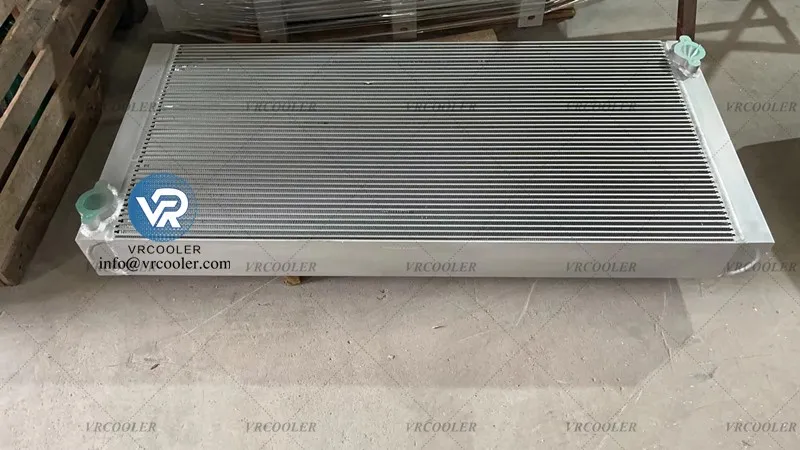
② Oil Cooler Blocked / Poor Cooling
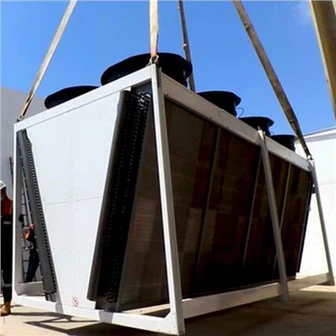
Air-cooled oil cooler
Fin surface clogged with dust, lint, dirt → Blow clean with dry compressed air (0.4 MPa).
Cooling fan fault: Fan not running / slow speed → Check wiring, fuse, motor, fan blade.
Airflow blocked: Keep intake & exhaust area clear, no barriers around cooler.
Water-cooled oil cooler
Low water flow / closed valve → Fully open inlet/outlet water valves, check pipeline.
Internal limescale / sludge → Flush with dedicated descaling cleaner.
Water temperature too high → Improve cooling water supply.
③ Oil Filter / Oil Line Blockage
Dirty oil filter causes poor oil circulation → Replace oil filter.
Oil pipeline bent, blocked or restricted → Inspect and clear lines.
Oil thermostat (thermal valve) stuck closed: Oil stays in small loop, no flow to cooler.
Test: Disassemble, clean or replace the thermostat.
④ Aftercooler / Intercooler Abnormality
High air backpressure or blocked cooler raises overall system temperature.
Clean cooler fins/tubes, drain condensate fully, check drain valves.
⑤ Ambient & Ventilation Issues
Room temperature too high (>40 °C) or poor ventilation → Add exhaust fan, open doors/windows.
Compressor installed in enclosed narrow space → Relocate or improve ventilation.
Hot air recirculates back to compressor intake → Redirect exhaust airflow.
⑥ Mechanical & Running Faults
Overloaded operation: Working continuously at full load beyond rated capacity → Reduce air consumption or add standby unit.
Airend (rotor) abnormal friction / bearing wear: Unusual noise + rapid temp rise → Professional overhaul needed.
Belt-driven fan: Belt loose/slipping → Adjust tension or replace belt.
⑦ Temperature Sensor / Controller Fault
False high temp alarm: Sensor damaged or wiring loose.
Check: Calibrate sensor, reconnect wires or replace temperature probe.
3. Quick Inspection Sequence (On-site Checklist)
Oil level & oil quality
Oil filter status
Oil cooler cleanliness + fan/water flow
Oil thermostat function
Room ventilation & ambient temp
Aftercooler & drain system
Load condition & running hours
Temperature sensor & electrical circuit
4. Preventive Maintenance
Change oil, oil filter, air filter regularly per manual.
Clean oil cooler & aftercooler fins every 2–4 weeks.
Check fan, belts and water flow weekly.
Keep compressor room well ventilated.
Do not run the unit over long-term full load.
5. Emergency Tips
If overheating occurs during running:
Do not shut down immediately. Run at no-load for 5–10 mins first to cool down gradually, then stop.
Sudden emergency shutdown may cause oil coking inside the airend.