

Why Choose Us
Professional Design Experiences
For Standard model, we can provide coolers according part number; For custom design, Different design for different needs, we can provide the best solutions for you.
Perfect after-sale service
Whole heartedly provides the consummation for the general customers the after-sale service.
Professional Team
We are a team, we are a family, we are in good faith in exchange for your trust.
Enjoy providing customer-oriented services
Provide customer first service, your satisfaction is our service goal.
What is Engine Cooler
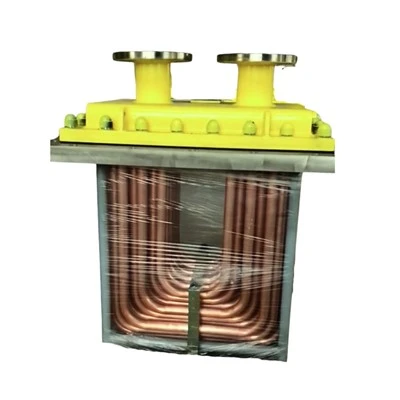
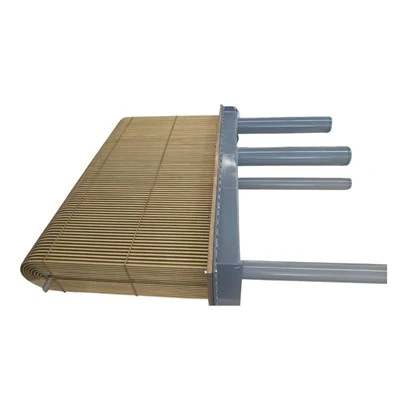
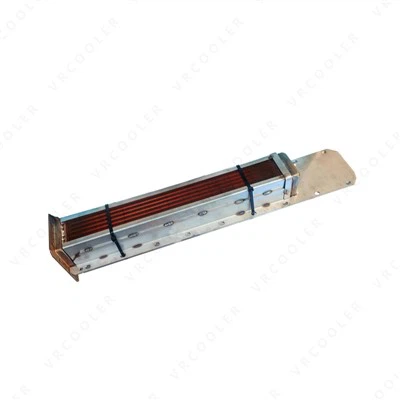
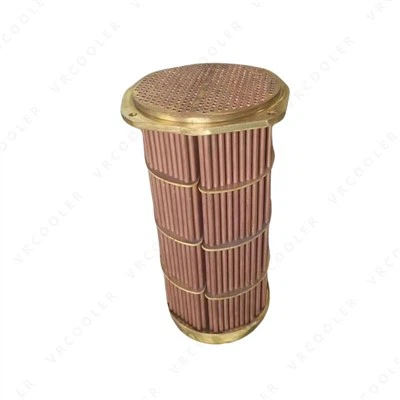
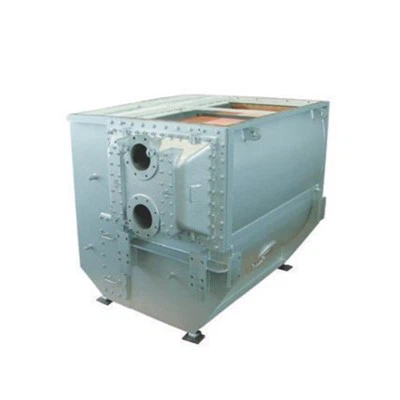
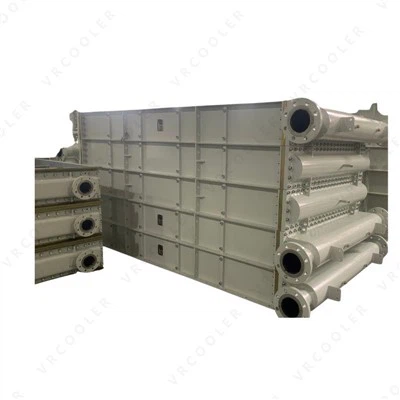
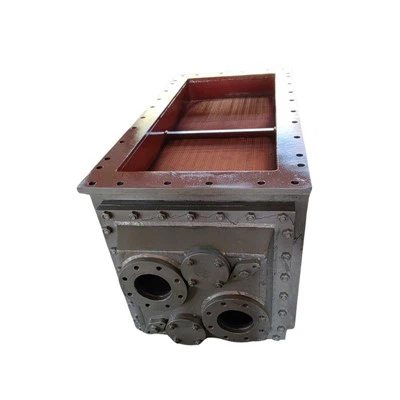
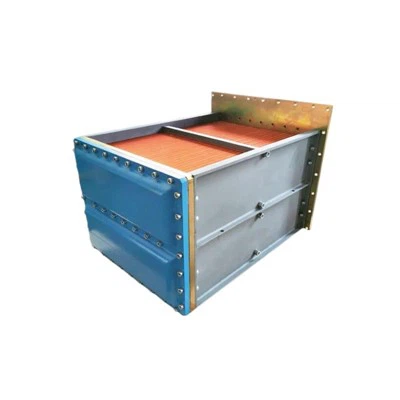
An engine cooler, also known as a radiator or heat exchanger, is part of the engine cooling system. It is mainly used to absorb the heat generated by the engine and dissipate this heat into the surrounding air or liquid to maintain the engine within a suitable operating temperature range.
The working principle of the engine cooler is mainly based on heat conduction and heat convection. It utilizes a conduit or cooling sheet made of a high thermal conductivity material to absorb heat from the engine and carry it away through a fluid such as air or water (which acts as a coolant). Specifically, the coolant circulates inside the engine, absorbing the heat generated by the engine, and then flows to the cooler. In the cooler, the heat is transferred to the surrounding air or fluid by heat transfer and convection, which reduces the temperature of the coolant. The cooled coolant then flows back into the engine again, continuing the cycle of cooling.



Advantages of Engine Cooler
Maintaining proper operating temperature
The engine cooler effectively controls and maintains the engine within the proper operating temperature range. This helps the engine to maximize combustion efficiency and improve operating efficiency.
Different models and manufacturers have different settings for the engine operating temperature, such as Japanese cars are controlled at about 90 ℃, while European and American cars are controlled at 100 ℃ or so. The cooler ensures stable engine operation within these set temperatures.
Improve engine life
By dissipating heat in a timely manner, the engine cooler prevents the engine from overheating and reduces the risk of damage to internal engine components due to high temperatures, thus extending the life of the engine.
Optimize fuel economy
When the engine is running at the right operating temperature, the fuel is burned more fully, resulting in better fuel economy.
Improved lubrication
For the oil cooler, by lowering the oil temperature, the lubricating properties of the oil can be maintained in a better state, which helps to reduce internal engine wear.
Improved transmission efficiency
Cooled oil provides better lubrication and reduces friction losses in transmission components, thus improving transmission efficiency.
Increased system reliability
The cooling system reduces the risk of failure due to overheating by ensuring that the engine and oil operate at the proper temperature, increasing the reliability of the entire system.
High adaptability
The engine cooler is well-designed and can adapt to the working requirements of the engine in different environments, such as high temperatures, high loads and other harsh working conditions.
Energy saving and environmental protection
By optimizing the engine operating temperature and fuel combustion efficiency, the engine cooler helps to reduce fuel consumption and emissions, in line with the requirements of energy saving and environmental protection.
Working Principle of Engine Cooler
The working principle of an engine cooler mainly involves the circulation of coolant to maintain the normal operating temperature of the engine by absorbing the heat generated by the engine and distributing it to the atmosphere. This process relies on several key components working in concert, including the water pump, radiator, thermostat, cooling fan, and compensation bucket.
Coolant Circulation: After the engine is started, a centrifugal water pump (water pump) begins to operate, drawing coolant (usually water) in and circulating it through pipes and passages inside the engine. As the coolant flows through hot engine parts, it absorbs the heat generated by those parts, thus lowering the temperature of those parts.
Radiator cooling: The coolant then flows through the radiator and air flows through the outside of the radiator core, utilizing the air-cooling principle to dissipate the heat from the hot coolant to the atmosphere. This process is accomplished by increasing the heat dissipation capacity of the radiator and accelerating the cooling rate of the coolant.
Thermostat Adjustment: The thermostat is located at the point where the fluid flows out of the engine. If the thermostat is closed, the fluid will flow directly back to the pump through the tubing around the thermostat. If the thermostat is open, the fluid will first flow to the radiator and then back to the pump. The role of the thermostat is with the engine load and the size of the water temperature and automatically change the coolant flow and circulation route to ensure that the engine works at the appropriate temperature.
Cooling fan to enhance heat dissipation: The function of the fan is to increase the air flow rate through the radiator core, increase the cooling effect. The water-cooling system of many car engines uses electric fans, controlled by a computer, which automatically adjusts the cooling intensity of the engine according to the changes in the conditions of use.
Compensating Bucket Management Pressure: Expansion tanks (compensating buckets) are mostly made of translucent material, with a thin hose connecting the upper part to the tank's fill pipe and a hose connecting the bottom part to the intake side of the water pump. This system turns the cooling system into a permanent closed system, avoiding the entry of air, separating water and vapor in the cooling system, and keeping the pressure in the system stable.
Types Of Engine Cooler
Water-cooled cooler
Water-cooled cooler is the most common and widely used type of cooler. It utilizes the high heat capacity and thermal conductivity of water to transfer the heat of the cooled object to water, and then dissipates the heat through circulating water to achieve the cooling effect. Water cooler is suitable for various automobile, industry, electronics and other fields, such as automobile engine water cooling system, compressor water cooling system and so on.
Air-cooled cooler
Air-cooled cooler is a heat exchanger that utilizes air to cool the hot fluid. The hot fluid inside the machine through the tube wall and fins and the air outside the tube for heat exchange, the air used is usually supplied by the ventilator.
Air-cooled cooler can be used for cooling or condensing, widely used in: refining, chemical tower top vapor condensation, textile mills, ceramics, farms, the bottom of the tower oil cooling; a variety of reaction products cooling; circulating gas cooling and power station turbine exhaust condensation.
How to Maintain the Engine Cooler
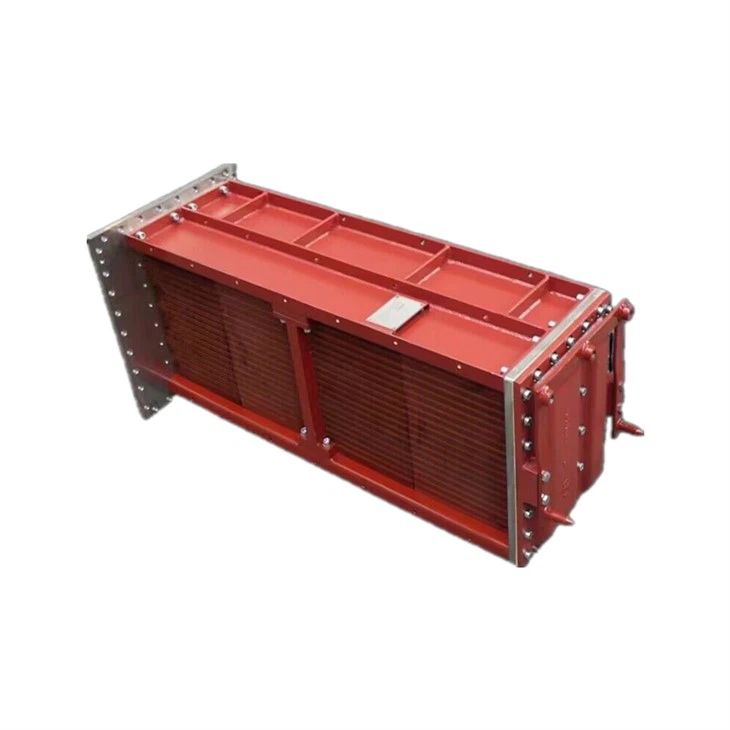


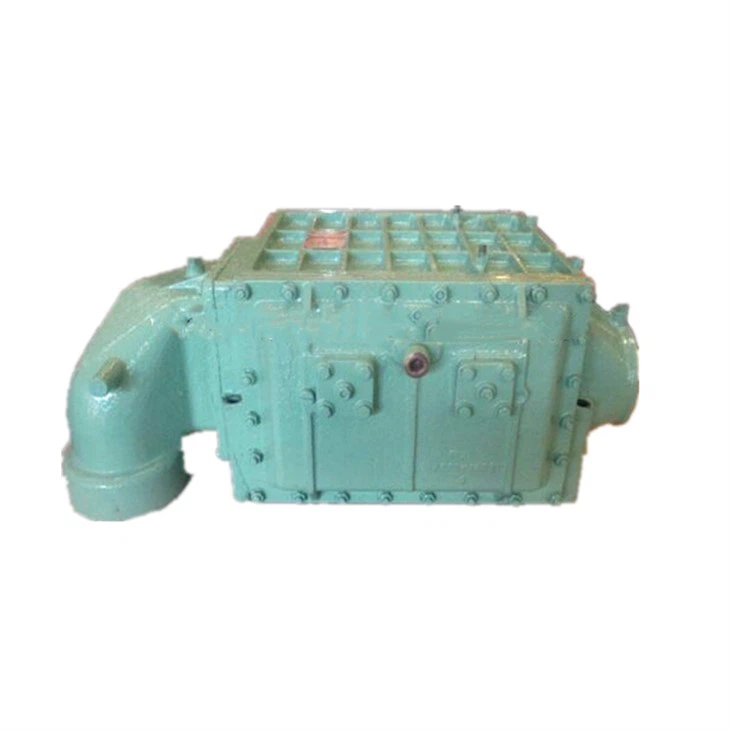
Choose the right coolant: You can choose low hardness of the river water, such as well water, can be boiled and softened before use, it is best to use antifreeze.
Clean the cooler: Antifreeze contains descaling agent and cleaning agent, there is scale in the cooler, scale will fall off after contact with antifreeze, may block the water pipe, the cooling effect will be worse, resulting in higher engine temperature. So before replacing the coolant, you can first clean the cooler.
Check the seal: Coolant is a liquid may leak, if the coolant leaks, the water temperature will rise, bring damage to the vehicle. So usually check the coolant tank, water tank, pipeline and other parts of the possible leakage, check the sealing situation, timely treatment.
Check the fan belt tightness: Fan belt tightness is too small, will affect the cooling air volume, and the engine's workload will increase, accelerate belt wear. If the belt is too tight, it will accelerate the wear and tear of water pump bearing and generator bearing. So usually check the belt tightness, if necessary, to be adjusted.
Add cooling water in time: If you find the engine overheating, you need to check whether the lack of water in time, if the lack of water, to stop running, such as cooling down after adding cooling water. If the thermostat is not working properly resulting in engine temperature is too high or too low, it should also be repaired or replaced in time.
Check the radiator and water pump, fan: If you find the radiator leakage, need to be repaired, if you find the water pump, fan rotation oscillation or abnormal noise, also need to be repaired in time.
Water tank rust: If you add unsuitable coolant, the water tank will appear scale, rust, need to regularly check the coolant tank to prevent rust.
Maintenance cooler hose: Cooler hose inside the circulation of high-temperature antifreeze, and hose next to the high-temperature engine block, coupled with the hose is made of rubber, rubber, if the heat for a long time, it will be aging, cracks, so you need to regularly replace or spray lubricants to maintain the elasticity of the rubber.
Engine Cooler Cleaning Method

Steps of engine cooler cleaning
Turn off the engine and make sure the engine is at room temperature, then remove the radiator cap.
Drain the coolant from the cooler and add clean water.
Add cleaner to the cleaning water, and add the amount of cleaner according to the instructions for cleaner use.
Start the engine and idle it at high speed for half an hour so that the cleaning fluid containing the cleaning agent can be fully cleaned in the cooler.
After running for half an hour, turn off the engine, then unscrew the radiator drain valve and drain all the cleaning agent.
Tighten the drain valve and add a small amount of coolant to the radiator. Idle the engine for a few minutes until the coolant is at a suitable temperature and fill with coolant and antifreeze compound.
Engine cooler cleaning benefits of cooler cleaning
Removes all rust and scale in the cooler that causes engine overheating.
Enhance cooling effect to avoid engine overheating and prolong tank life.
Prevents rust, corrosion and scale from forming in the coolant.
Avoid blistering and harmful ionization reaction of coolant.
To prevent pitting and cavitation from occurring within the system.
Avoid and stop infiltration of system seals, tanks etc.
Components of the Engine Cooler
Water pump
Responsible for drawing the coolant from the tank and circulating it inside the engine to keep the engine temperature stable.
Temperature control
Regulates the engine temperature by controlling the fan on and off.
Water tank
Stores the coolant so that it can be supplied to the water pump for circulation.
Radiator
Allows the coolant to form a vortex in which it cools down by radiating heat into the air through the radiator's dispersion effect.
Heat Exchanger
Also known as a radiator, transfers heat from the coolant to the air through the conduction effect of the radiator.
Thermal Control Valve
Controls the degree of coolant flow through the heat exchanger. When the engine temperature exceeds a certain temperature, the thermal control valve opens the flow to ensure that the engine coolant circulates smoothly.
Installation Steps for Engine Cooler
Prepare tools and materials
Before installing the engine cooler, you need to prepare some necessary tools and materials, including wrenches, screwdrivers, antifreeze, coolers and so on. In addition, in order to ensure the safety of the installation process, you also need to prepare masks, gloves and other protective gear.
Disassemble the old engine cooler
Before installing the new engine cooler, you need to dismantle the old cooler first. First of all, you need to drain all the antifreeze from the cooling system, and then remove the original cooler, usually using a wrench and screwdriver to remove.
Install the new engine cooler
When installing a new engine cooler, you first need to fix the cooler in the corresponding position, and then connect the pipes connecting the water inlet and outlet. After connecting, you need to check whether it is tightened firmly to ensure that the water pipe will not come loose.
Check the cooling system
After the installation is complete, you need to check the entire cooling system for leaks. This can be done by filling up the antifreeze and observing whether there is water leakage in the cooler when the engine is idling. If water leakage is found, it needs to be repaired in time.
Fill antifreeze
After the installation is completed, it is necessary to fill enough antifreeze. In the process of filling, you need to pay attention to the type of antifreeze and add the amount, so as not to affect the normal operation of the cooling system.
Test run
After all the work is completed, you need to carry out test runs to test whether the cooling system is operating normally. If abnormal phenomenon is found, it needs to be repaired in time.
Our factory
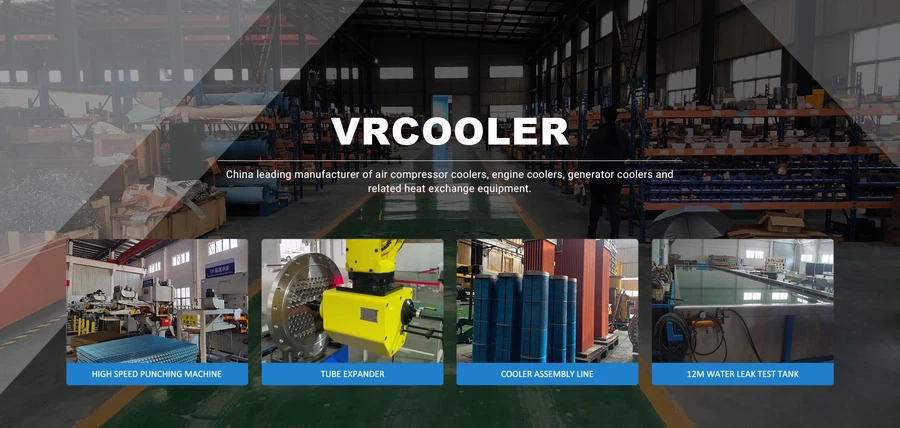
Our factory has complete production equipment, advanced production technology, perfect testing methods,and guaranteed quality.
We have passed the IS09001 international quality system certification.
In the design, development, and production of air compressor cooler / engine cooler / generator cooler, we in nsist on quality as the center and customer satisfaction as the concept.
Our factory has professional engineers who can design and manufacture various products and various non-statandard equipment for customers.
FAQ
Changzhou Vrcooler Refrigeration Co., Ltd. is one of the most professional engine cooler manufacturers and suppliers in China, specialized in providing high quality aftermarket service. Please rest assured to buy high-grade engine cooler for sale here from our factory. For price consultation, contact us.
heat exchanger shell and tube, diesel engine charge cooler, marine engine air cooler with fin