What Is The Purpose Of An Air Cooler in A Generator?
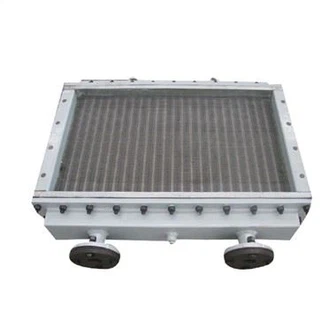
Power Station Generator Air Cooler
An essential part of a power plant, a generator air cooler aids in dissipating heat produced by the generator while it is operating. In order to remove heat from the cooling system of the generator, the air cooler is commonly a heat exchanger that employs air as the cooling medium.
A fan is used to force air through a series of fins or tubes that are in contact with the cooling water or generator oil for the generator air cooler to function. Heat from the cooling water or oil is absorbed by the air as it passes over the fins or tubes, and the heated air is subsequently expelled from the power plant. This procedure aids in regulating the generator's temperature and guards against overheating, which can harm the machinery and reduce its effectiveness.
Typically, generator air coolers are made to withstand high heat loads and function effectively in a variety of environmental circumstances. The generator's and power plant's unique needs, as well as the environment in which it will function, will determine the air cooler's size and capacity.
The heat load of the generator, the surrounding temperature and humidity, the airflow rate necessary for efficient cooling, and the air cooler's materials and design should all be taken into account when choosing a generator air cooler. A generator air cooler can be developed and installed to offer dependable and efficient cooling for power station generators, helping to preserve their performance and extend their lifespan, by working with an informed supplier or manufacturer (such as VRCOOLER).
The air cooler contributes to the power station's overall efficiency in addition to serving the primary purpose of cooling the generator. The efficiency of the generator and the power plant as a whole can be increased by using a well-designed air cooler to help lower the temperature of the cooling water or oil. This is due to the possibility of the generator losing power and being less efficient at higher temperatures.
Direct air-cooled and indirect air-cooled generator air coolers are the two primary varieties. While indirect air-cooled systems use a heat exchanger to transfer heat from the generator coolant to the ambient air, direct air-cooled systems use ambient air to cool the generator coolant directly.
Direct air-cooled systems are often less complicated and more affordable than indirect air-cooled systems, although they may also need a bigger footprint and be less efficient. Although indirect air-cooled systems can offer more control over the cooling process and are often more efficient, they are more difficult and expensive to install.
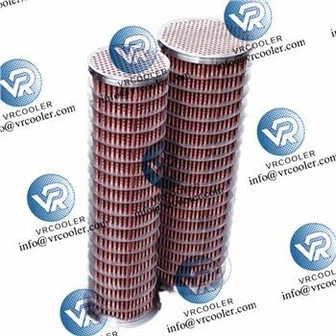
When choosing a generator air cooler, you should also take into account the heat exchanger's construction material (such as copper or aluminium), the style of the fins or tubes that transfer heat to the air, and the kind and size of the fan that moves the air through the heat exchanger.
Overall, maintaining the effectiveness and dependability of a power station requires a properly built and fitted generator air cooler. Power station operators may make sure that their generators are properly cooled and capable of operating at optimal performance by choosing the right sort of air cooler and collaborating with an experienced supplier or manufacturer.

There are several types of generator cooling systems that can be utilised in power plants besides direct and indirect air-cooled systems. For instance, some power plants have water-cooled systems that cool the generator by pumping water through a closed-loop system. Although water-cooled systems can be more expensive to build and require more maintenance than air-cooled systems, they are often more efficient.
A hybrid generator cooling system uses both air and water cooling to provide the highest level of cooling efficiency. Hybrid systems can offer substantial advantages in terms of efficiency and dependability, but they are often more complicated and expensive than either air-cooled or water-cooled systems alone.
To ensure that the generator air cooler continues to function efficiently, it's crucial to choose the right kind of cooling system and to maintain and service it appropriately. In order to avoid clogs and guarantee adequate airflow, regular cleaning and inspection of the air cooler's fins or tubes, as well as the fan and other components, might be helpful. Regular testing and monitoring of the cooling system and generator can also aid in finding any problems early and avoiding potential damage or downtime.
Overall, choosing the right kind of generator air cooler and putting in place a thorough maintenance and service plan can help power plants maintain efficient and dependable generator performance, guaranteeing continuous power production and reducing the risk of expensive downtime or equipment failure.