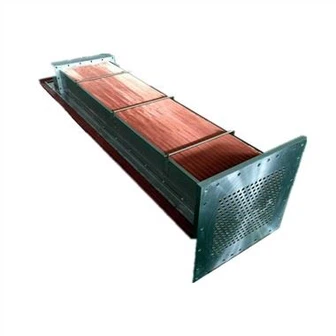
Generator Air Cooler For Power Station
Generator Air Cooler for Power Station
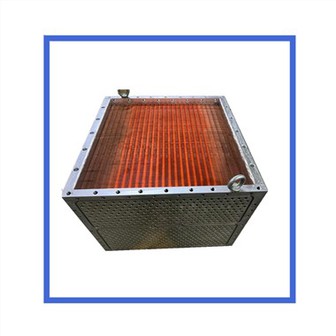
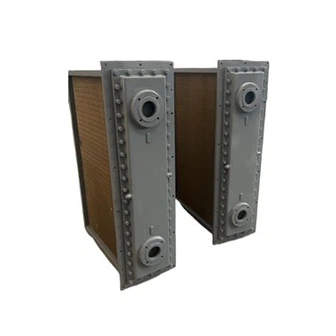
A generator air cooler is an important component of a power station that helps to dissipate heat generated by the generator during operation. The air cooler is typically a heat exchanger that uses air as the cooling medium to remove heat from the generator's cooling system.
The generator air cooler works by using a fan to pull air through a series of fins or tubes, which are in contact with the cooling water or oil from the generator. As the air passes over the fins or tubes, it absorbs heat from the cooling water or oil, and then exhausts the heated air out of the power station. This process helps to maintain the temperature of the generator and prevent overheating, which can cause damage to the equipment and decrease its efficiency.
Generator air coolers are typically designed to handle high heat loads and operate efficiently in a wide range of ambient conditions. The size and capacity of the air cooler will depend on the specific requirements of the generator and the power station, as well as the environmental conditions in which it will operate.
When selecting a generator air cooler, it's important to consider factors such as the heat load of the generator, the ambient temperature and humidity, the airflow rate required for effective cooling, and the materials and construction of the air cooler. By working with a knowledgeable supplier or manufacturer (such as VRCOOLER), a generator air cooler can be designed and installed to provide reliable and efficient cooling for power station generators, helping to maintain their performance and extend their lifespan.
In addition to its primary function of cooling the generator, the air cooler also plays a role in the overall efficiency of the power station. A well-designed air cooler can help to reduce the temperature of the cooling water or oil, which in turn can improve the efficiency of the generator and the power station as a whole. This is because higher temperatures can cause the generator to lose power and decrease its efficiency.

There are two main types of generator air coolers: direct air-cooled and indirect air-cooled. Direct air-cooled systems use ambient air to cool the generator coolant directly, while indirect air-cooled systems use a heat exchanger to transfer heat from the generator coolant to the ambient air.
Direct air-cooled systems are typically simpler and more cost-effective than indirect air-cooled systems, but they are not as efficient and may require a larger footprint. Indirect air-cooled systems are typically more efficient and can provide better control over the cooling process, but they are more complex and expensive to install.
Other factors to consider when selecting a generator air cooler include the material used for the heat exchanger (such as copper or aluminum), the design of the fins or tubes used to transfer heat to the air, and the type and size of the fan used to move air through the heat exchanger.
Overall, a well-designed and properly installed generator air cooler is essential for maintaining the efficiency and reliability of a power station. By selecting the appropriate type of air cooler and working with an experienced supplier or manufacturer, power station operators can ensure that their generators are properly cooled and able to operate at peak performance.
In addition to direct and indirect air-cooled systems, there are other types of generator cooling systems that can be used in power stations. For example, some power stations use water-cooled systems, which circulate water through a closed-loop system to remove heat from the generator. Water-cooled systems are typically more efficient than air-cooled systems, but they also require more maintenance and can be more expensive to install.
Another type of generator cooling system is a hybrid system, which combines both air and water cooling to provide optimal cooling efficiency. Hybrid systems are typically more complex and expensive than either air-cooled or water-cooled systems alone, but they can provide significant benefits in terms of efficiency and reliability.
In addition to selecting the appropriate type of cooling system, it's also important to properly maintain and service the generator air cooler to ensure that it continues to operate effectively. Regular cleaning and inspection of the air cooler fins or tubes, as well as the fan and other components, can help to prevent clogs and ensure optimal airflow. Additionally, regular testing and monitoring of the generator and cooling system can help to detect any issues early and prevent potential downtime or damage.
Overall, selecting the appropriate type of generator air cooler and implementing a comprehensive maintenance and service plan can help power stations to maintain efficient and reliable generator performance, ensuring uninterrupted power generation and minimizing the risk of costly downtime or equipment failure.