What Is The Function Of A Generator Cooler?
What is the function of a generator cooler?
A generator cooler is a device used to prevent a large equipment known as a generator from overheating. When a generator is used to create electricity, its interior becomes extremely hot, and if it becomes too hot, it may cease to function or even collapse. Therefore, the generator cooler uses water to cool the interior of the generator and prevent it from becoming too heated. It's like when you're playing outside on a sweltering day and you begin to feel hot and sweaty, so you go inside and drink a glass of cold water to cool off. Similarly, the generator chiller prevents the generator from overheating and maintains its functionality.
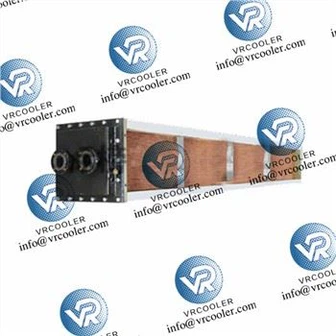
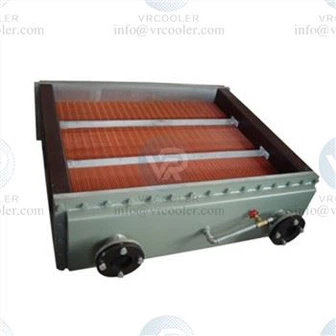
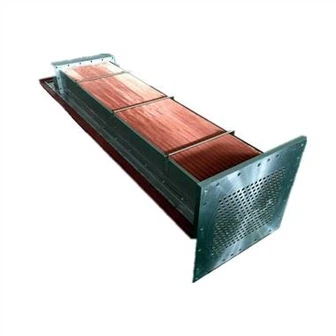
A generator cooler is a form of heat exchanger used to remove heat from an electric generator's stator and rotor windings. The generator chiller dissipates the heat generated during operation by circulating a cooling fluid, such as water or air, over the generator's windings.
The generator cooler is an essential component of any electric power generation system, as it helps maintain the generator's secure operating temperature. If the generator becomes too heated, it can cause damage to the windings, leading to a catastrophic generator failure.
Generator coolers can be designed to operate with water, air, or a combination of the two as cooling fluids. The selection of cooling fluid is contingent on a number of variables, including the generator's size and capacity, its operating environment, and its cooling requirements.
A generator chiller is an essential component of an electric power generation system, as it removes heat from the generator windings and maintains safe operating temperatures.

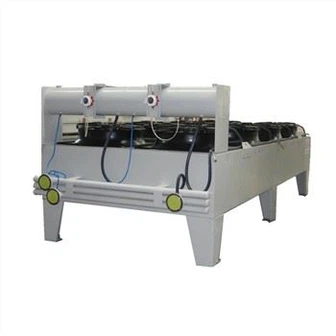
There are numerous types and designs of generator coolers, each tailored to specific applications and cooling requirements. The following are common varieties of generator coolers:
These coolers use water as the cooling fluid and circulate it through passages in direct contact with the generator's windings. Frequently, water-cooled generator coolers are employed in large generators with high cooling capacity.
Air-cooled generator coolers utilise air as the cooling fluid, which is blown over the generator's windings by blowers. Small and medium-sized generators frequently employ air-cooled generator coolers because they are more cost-effective and require less maintenance than water-cooled generator coolers.
These hybrid generator coolers incorporate the advantages of water-cooled and air-cooled cooling systems. The principal cooling fluid in hybrid generator coolers is water, which is circulated through tubes in contact with the generator's windings. The water is then chilled by passing it through an air-cooled heat exchanger.
The cooling capacity of generator coolers is measured in megawatts (MW), in addition to the sort of cooling fluid employed. The cooling capacity of a generator chiller is determined by a number of factors, including the generator's size and capacity, the operating temperature, and the type of cooling fluid employed.
In conclusion, generator coolers are available in a variety of types and designs, each tailored to particular applications and cooling needs. The form of generator cooler utilised depends on a number of variables, including the generator's size and capacity, its operating environment, and its cooling requirements.