Why Generator Need Be Cooling
When the generator is turned on, the temperature of the iron core and coil steadily rises owing to copper and iron loss. The temperature of the coil must not exceed a specified threshold in order to slow the aging of the coil insulation and extend its life. As a result, steps must be taken to remove the heat generated by the coil and iron core in a timely manner, so that the temperature of the coil insulation does not exceed the specified value. Air cooling, hydrogen cooling, and water cooling are the most often utilized cooling technologies.
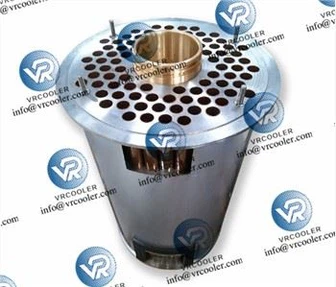
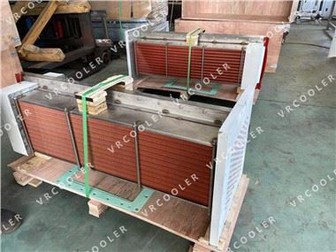
The air cooler (air cooler) uses cooling water to cool the hot air flowing out of the generator before it enters the generator. When the generator is turned on, the heat generated is removed by the cooling water, and the air just serves as a medium.
Because air has a low cooling impact, hydrogen and water cooling are typically utilized for big generators with good cooling effects.
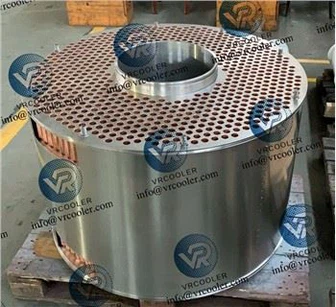
When the generator is turned on, the stator and rotor coils produce heat. The hydrogen inside the generator absorbs the heat. The heated hydrogen is fed into the hydrogen cooler's pipeline to exchange heat with the cold water in the water pipe, and the heat released turns the hot hydrogen into cold hydrogen, which is subsequently compressed. Inside the generator, the cycle is repeated, and the hot water is pumped out and replenished with cold water. The hydrogen cooler is where they exchange heat, similar to a refrigerator's condensing chamber. What is the significance of hydrogen? High-power generators are cooled with hydrogen or water because it absorbs heat better than air, but small-power generators are completely air-cooled.
Vrcoolertech is a professional company that manufactures heat exchangers of many varieties, including air heat exchangers (radiators), air coolers (air coolers), and heat exchange tubes (finned tubes, corrugated heat exchange tubes). The company's products are widely used in over 30 industries, including petroleum, chemical industry, metallurgy, electric power, steel rolling, coking, chemical fiber, textile, printing and dyeing, painting, beer malt, papermaking, wood, tobacco, food, coal mine, and other equipment.