Remote Radiator HT LT Coolers For Gas Engines At A Thermoelectric Plant
In a thermoelectric plant powered by gas engines, cooling is never just a support function. It has a direct impact on engine stability, electrical output, maintenance intervals, and the overall reliability of the plant. When large gas engines run continuously under load, they generate substantial heat in different parts of the system, and that heat has to be managed in a controlled way. This is why remote radiator HT LT coolers are widely used in modern thermoelectric plants.

A remote radiator system is designed to remove heat from the engine cooling circuits and reject it to the atmosphere through finned heat exchanger coils and axial fans installed outdoors. Instead of placing the full cooling load inside the engine hall, the radiator bank is located remotely, usually on a steel platform, rooftop, or ground-mounted structure. This arrangement helps reduce engine room temperature, improves service access around the gensets, and keeps the plant layout cleaner and more flexible.
For gas engines, the cooling system is usually divided into HT and LT circuits. The HT circuit, or high-temperature circuit, mainly handles the jacket water side of the engine. It removes heat from the engine block, cylinder heads, and other high-heat components that must operate within a tightly controlled temperature range. The LT circuit, or low-temperature circuit, is commonly used for charge air cooling, lube oil cooling, and other auxiliary cooling duties that require a lower coolant temperature. Separating these two circuits is important because the engine does not need the same temperature level everywhere. Different cooling tasks require different thermal conditions, and the HT/LT arrangement allows the plant to control them more precisely.
At a thermoelectric plant, this separation brings real operating benefits. The HT cooler can be optimized for the main engine heat load, while the LT cooler can maintain lower temperatures for the intake air or auxiliary systems, which helps the engine breathe better and perform more consistently. When both circuits are designed properly, the engine can run with improved combustion stability, better efficiency, and lower thermal stress. In practical terms, that means fewer overheating risks during summer operation and more dependable performance over long running hours.
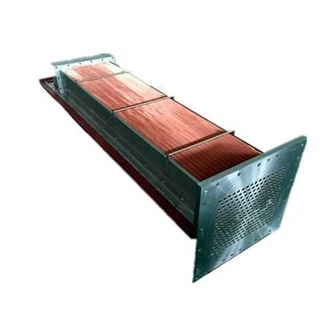
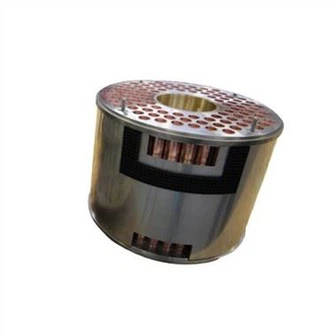
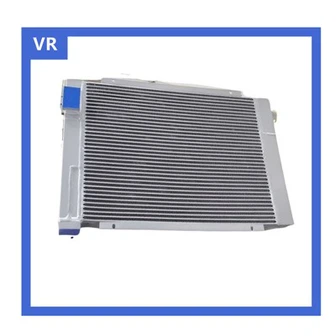
A well-designed remote radiator HT LT cooler package for gas engines typically includes finned tube coils, axial fans, steel framework, headers, circulation pumps if required, expansion arrangement, control valves, and an electrical control system for fan staging or variable-speed operation. The finned coils provide the heat transfer surface, while the fans force ambient air across the coil face to carry heat away from the coolant. In many projects, fan speed control is especially important because the cooling demand changes with engine load and ambient temperature. Running all fans at full speed all the time wastes power, while intelligent control helps the plant save auxiliary energy and keep coolant temperatures more stable.
Material selection also matters in thermoelectric plant applications. Outdoor radiator units are exposed to sun, rain, dust, and sometimes corrosive industrial air. For this reason, remote radiator systems are often built with heavy-duty steel structures, weather-protected motors, and coils selected according to water quality, operating pressure, and site conditions. In dusty or aggressive environments, anti-corrosion coatings and proper fin spacing become even more important. The goal is not only to achieve the required heat rejection on paper, but to keep the cooling system performing reliably year after year in real plant conditions.
Another reason remote radiators are popular in thermoelectric plants is installation flexibility. Some plants have limited indoor ventilation capacity, while others need to place the cooling equipment away from noise-sensitive areas or process buildings. A remote radiator gives the EPC contractor and plant designer more freedom in positioning the heat rejection equipment where it works best. It also reduces the amount of hot air recirculating in the engine room, which can be a major advantage when multiple gas engines are installed in parallel.
From an operational standpoint, HT LT remote radiator systems also support easier maintenance planning. The radiator bank is accessible without interfering too much with engine servicing, and major components such as fans, motors, and headers can often be inspected or replaced more conveniently than with tightly integrated cooling equipment. For plant owners, that can translate into reduced downtime and better serviceability over the life of the project.
In the end, remote radiator HT LT coolers for gas engines at a thermoelectric plant are not just heat exchangers. They are a critical part of the plant's thermal management strategy. A properly engineered system protects the engine, supports stable power generation, improves site layout, and helps the plant operate more efficiently in changing ambient conditions. For thermoelectric plants that depend on continuous gas engine performance, choosing the right HT/LT remote radiator solution is an important step toward long-term reliability.