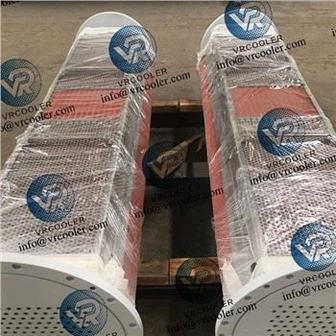
What Is The Principle Behind Waste Heat Recovery in Biogas Generator Sets?
What is the principle behind waste heat recovery in biogas generator sets?
The core principle of waste heat recovery in biogas generator sets involves transferring thermal energy from high-temperature flue gases emitted by the generator and cooling water from cylinder liners to other media (such as water or air) via specialized heat exchangers. These heated media are then utilized in industrial or domestic applications, enabling secondary energy utilization.
I. Core Principle: Heat Transfer and Medium Conversion
The entire process adheres to the First Law of Thermodynamics: heat cannot be created or destroyed, only transferred from higher-temperature objects to lower-temperature ones. This is achieved through two key steps:
Heat Capture: Utilizing heat exchangers (e.g., flue gas heat exchangers, water-to-water heat exchangers) as intermediaries, high-temperature waste heat carriers (flue gas, cylinder jacket water) come into direct or indirect contact with low-temperature media requiring heating (cold water, air).
Energy Reuse: The heated medium (e.g., hot water, hot air) is distributed to various applications as needed, converting otherwise wasted thermal energy into directly usable power for heating, hot water supply, or auxiliary production processes.

Waste heat in biogas generator units primarily originates from two sources. Due to differences in temperature and carrier medium, the recovery principles and equipment employed also vary.
High-Temperature Flue Gas Waste Heat
400-600°C
Flue Gas Heat Exchanger (Typically Tube-Type or Fin-Type)
High-temperature flue gas flows through the heat exchanger tubes while cold water or air circulates externally. Heat transfers through the tube walls, heating the water to hot water (or steam) or directly heating the air.
Cylinder Liner Cooling Water Waste Heat
80-90°C
Water-to-Water Heat Exchanger (Typically Plate or Shell-and-Tube Type)
High-temperature jacket cooling water and cold water requiring heating indirectly contact each other through partitions within the heat exchanger. Heat transfers from the high-temperature water to the low-temperature water, yielding medium-temperature hot water without additional heating.