Function Of Transformer Oil Air Coolers
Function of Transformer Oil Air Coolers
During operation, transformers generate significant heat due to losses in the windings and core (copper loss and iron loss), leading to temperature increases. Transformer oil serves the dual purposes of insulation and heat dissipation.
The core function of a transformer oil air cooler is to accelerate the cooling of transformer oil through forced air circulation. This maintains the transformer's operating temperature within safe limits, ensuring its power output, efficiency, and service life.
Insufficient cooling can cause transformer insulation to age prematurely due to overheating, potentially leading to severe failures.
A typical transformer oil air cooler usually comprises the following components:
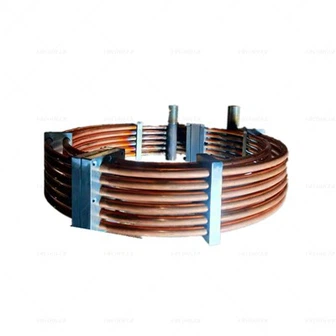
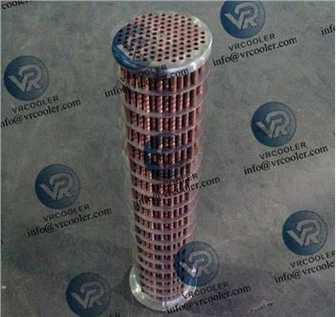
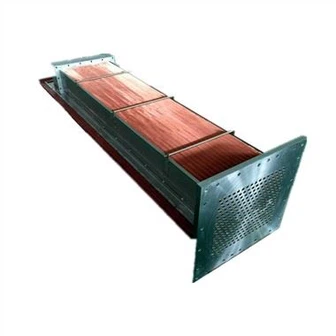
Heat Exchange Core: Consisting of a bundle of finned heat exchange tubes, this is where oil and air exchange thermal energy. The finned tubes form the core of the core.
Oil Pump: Provides the driving force for oil circulation. Typically, one or more oil pumps are assigned to each cooler.
Fan: Usually an axial-flow fan, delivering cooling airflow. A single cooler may have multiple fan groups that can be switched on/off in sets.
Fan Motor: Drives the fan.
Connecting Pipes and Valves: Oil pipelines connecting the cooler to the transformer, equipped with valves for isolation and maintenance.
Oil Flow Indicator: An observation window indicating whether oil flow is normal.
Control Box: Houses the control circuit, receiving signals to automatically start/stop fans and oil pumps.
Protective Screen: Installed at fan inlets or outlets to prevent foreign objects from entering and damaging fins.