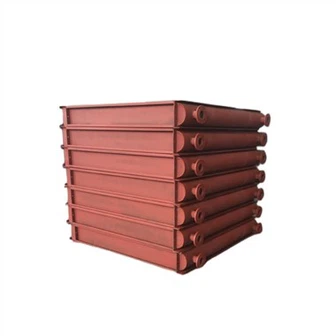
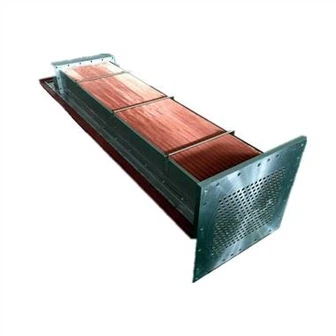
Transformer Oil Cooler: The Core Heat Dissipation Device That Ensures The Safe And Stable Operation Of Power Equipment
The core working principle is that high-temperature transformer oil is circulated into the cooler core through an oil pump, and the heat in the oil is transferred to the outside through forced air convection or water cooling. The cooled oil flows back into the interior of the transformer, forming a closed-loop heat dissipation cycle. The mainstream types include air-cooled, water-cooled, and forced oil circulation coolers, which are suitable for different power transformers and usage scenarios. For example, outdoor substations often use air-cooled coolers, while industrial plants and other water source convenient scenarios can choose water-cooled coolers.

Three key precautions should be paid attention to in the application: firstly, regularly clean the heat dissipation core, remove dust and oil stains, and avoid blockages that affect heat transfer efficiency; Secondly, check the sealing performance and oil level to prevent oil leakage or air ingress, which may cause insulation hazards; Thirdly, monitor the operating status to ensure the normal operation of the fan and oil pump, and promptly shut down for troubleshooting in case of abnormal oil temperature. This device is widely used in scenarios such as distribution transformers, power transformers, and industrial specialized transformers, and is an important guarantee for safe power supply in the power system.