Dry Cooler Repair And Maintenance Guide
1, Daily inspection (daily/shift)
Running status check
Observe whether the fan runs smoothly, whether there are any abnormal noises, vibrations, or reversals, and whether the motor temperature is abnormal (≤ 80 ℃).
Check whether the temperature and pressure of the inlet and outlet fluids are within the design range, and whether the heat exchange temperature difference is normal.
Check if there is any leakage or frosting/icing in the framework and bundle (under low-temperature conditions), and if the sprinkler system (if any) sprays water evenly and without blockage.
Environmental and safety inspections
Clean up the debris at the air inlet to ensure smooth ventilation and no obstruction.
Check the electrical wiring, control cabinet for looseness, heating, odor, and good grounding.
Confirm that the protective net and shield are intact, without damage or missing.
2, Regular maintenance (weekly/monthly/quarterly)
(1) Fan and motor system (core power components)
Weekly: Clean the dust on the fan blades and motor casing, check the tightness of the belt (belt driven type), ensure no slipping or cracking, and maintain moderate tension.
Monthly: Check the temperature and lubrication status of the fan bearings, replenish/replace lubricating grease (according to the equipment manual model), and ensure no dryness or abnormal noise.
Quarterly: Tighten the bolts of the motor and fan base, calibrate the dynamic balance of the fan impeller, and clean the dust on the motor cooling fins.
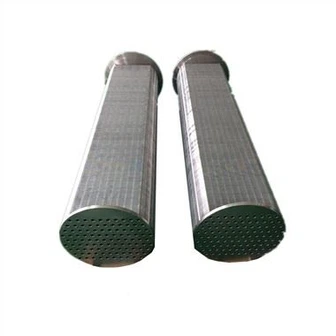
(2) Heat exchange tube bundle (core heat exchange component)
Weekly: Visually inspect the surface of the tube bundle to ensure there is no accumulation of dust, oil stains, or debris. Clean the ice in a timely manner under low temperature conditions (to avoid frost cracking).
Monthly: Gently blow away dust from the tube bundle (low-pressure air, pressure ≤ 0.4MPa), and prohibit direct flushing with high-pressure water (to prevent fin lodging).
Quarterly: For oil/scale stains, neutral cleaning agents are used for cyclic cleaning. After cleaning, rinse with clean water, dry and put into use.

3) Spray system (exclusive for wet dry coolers)
Weekly: Check if the nozzle is blocked or dripping, clean impurities from the nozzle, and ensure that the water spray evenly covers the tube bundle.
Monthly: Clean the spray water tank and filter, replace softened/purified water (to reduce scale), check the operation status of the water pump for no abnormal noise or leakage.
Quarterly: Check for corrosion and leakage in sprinkler pipelines and valves, and replace aging seals.
(4) Framework and attachments
Weekly: Check the frame and bracket for deformation and rust, and tighten the connecting bolts.
Monthly: Clean up accumulated water and debris at the bottom of the equipment, and check that the drainage outlet is unobstructed.
Quarterly: Polish and remove rust from corroded areas, apply anti-corrosion paint, and extend the service life of the structure.
Maintenance precautions
Before maintenance, the power must be cut off, the fluid valve must be closed, the system pressure must be released, and maintenance warning signs must be hung to avoid electric shock, burns, and frostbite.
When cleaning the tube bundle, it is forbidden to use strong acid/strong alkali cleaning agents to prevent corrosion of fins and pipes. Neutral specialized cleaning agents should be preferred.
When operating in a low-temperature environment, regularly monitor the temperature of the tube bundle to avoid prolonged freezing and cracking of the tube bundle.
Establish a maintenance ledger to record inspection, maintenance, and repair contents for easy traceability and fault prediction.
Non professionals are prohibited from dismantling motors, electrical control cabinets, and high-voltage tube bundles, and must be operated by certified technicians.