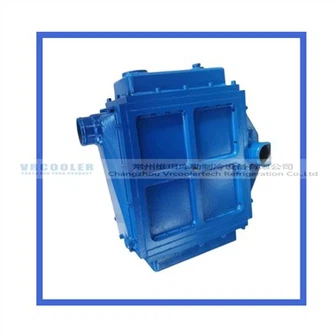
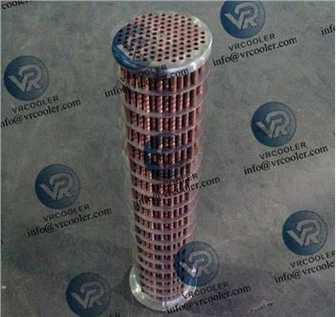
Steam Heating Of Heavy Oil Using Shell And Tube Heat Exchangers
The heating of heavy oil-or viscous crude oil-is an essential step in many oil and gas operations, particularly in refineries, pipelines, and chemical processing. One of the most effective and widely used methods for heating heavy oil is the use of steam heating in shell and tube heat exchangers. These heat exchangers play a critical role in improving the flow properties of heavy oil, making it easier to transport, refine, and process.
In this article, we will explore how steam heating works in shell and tube heat exchangers, the benefits of using this method for heavy oil, and a practical case study of its application.
Why Steam Heating for Heavy Oil?
Heavy oil, due to its high viscosity, presents several challenges in industrial processes. The thick consistency of the oil can cause issues in transportation, pumping, and processing. In its raw form, heavy oil is difficult to handle at room temperature because of its high pour point and low flowability. To mitigate these challenges, steam heating is used to reduce the viscosity and make the oil more fluid for easier handling.
Steam heating works by introducing high-temperature steam into a heat exchanger system, where it transfers heat to the oil. The steam does not mix directly with the oil but passes through the shell side of the heat exchanger, transferring its heat to the tubes that contain the heavy oil. This results in a temperature increase that decreases the oil's viscosity, allowing it to flow more easily through pipelines, reactors, or other processing equipment.

How Steam Heating Works in Shell and Tube Heat Exchangers
A shell and tube heat exchanger is the ideal equipment for steam heating of heavy oil due to its design, which allows for efficient heat transfer and handling of large volumes of fluid. Here's how the system works:
-
Steam Introduction (Shell Side): Steam is introduced into the shell side of the heat exchanger, where it flows around the tubes that contain the heavy oil. The steam transfers its heat to the oil through the tube walls.
-
Oil Flow (Tube Side): Heavy oil flows through the tube side of the heat exchanger, typically at a lower flow rate than the steam. As it moves through the tubes, it absorbs heat from the steam surrounding the tubes, which reduces its viscosity and improves its flow properties.
-
Temperature Regulation: The temperature of the steam is controlled to maintain the optimal temperature required to heat the heavy oil to the desired consistency. The temperature of the oil increases, reducing its viscosity and allowing it to flow more freely.
-
Efficient Heat Transfer: The design of the shell and tube heat exchanger maximizes the surface area for heat transfer. The heat exchanger can also be customized to handle specific oil types and flow conditions, ensuring that the oil reaches the required temperature without causing thermal degradation.
Benefits of Steam Heating in Shell and Tube Heat Exchangers for Heavy Oil
Using steam heating in shell and tube heat exchangers offers several advantages when dealing with heavy oil:
-
Improved Flowability of Heavy Oil: Steam heating significantly reduces the viscosity of heavy oil, making it easier to pump and transport through pipelines or other equipment. This is essential for processes such as oil transportation, refining, and chemical processing.
-
Efficient Heat Transfer: Shell and tube heat exchangers are well-suited for steam heating applications because of their high heat transfer efficiency. The counter-current flow arrangement between the steam and oil ensures that the temperature difference between the two fluids remains high throughout the system, optimizing heat transfer.
-
Compact Design: Compared to other heat exchanger types, shell and tube heat exchangers offer a relatively compact design for their heat transfer capacity. This makes them ideal for applications where space is limited.
-
Scalability: Shell and tube heat exchangers can be easily scaled to meet varying heat loads. Whether you're heating small volumes of oil or large quantities, a shell and tube heat exchanger can be customized for the required capacity.
-
Durability and Reliability: Shell and tube heat exchangers are designed to withstand high pressures and temperatures, making them ideal for steam heating applications, which often involve high-pressure steam. Their durability ensures long-term, reliable operation, even under harsh conditions.
Case Study: Steam Heating of Heavy Oil in a Refinery
Background:
A refinery processing heavy crude oil from a remote field faced significant challenges in transporting the oil through pipelines. The oil was too viscous to flow at room temperature, leading to blockages and slow throughput. The refinery needed to find an efficient and reliable solution to reduce the viscosity of the heavy oil and facilitate smoother transportation.
Solution:
The refinery decided to install a steam heating system using shell and tube heat exchangers to preheat the heavy oil before it entered the pipeline. The system was designed to use high-pressure steam to heat the oil in a controlled and efficient manner. The heat exchangers were customized to handle the specific properties of the oil and to achieve the desired flow conditions.