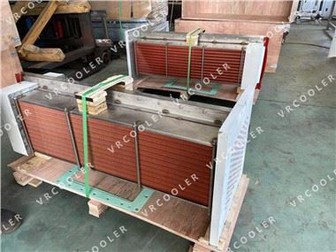
Generator Heat Recovery: Complete Genset Guide
What is generator heat recovery?
Generator heat recovery usually means recovering thermal energy from the engine that drives a diesel or gas generator set. The engine releases heat through the exhaust gas, jacket-water circuit, lubricating oil, charge-air circuit, and other cooling paths. A heat-recovery system transfers part of that energy to hot water, process water, steam, space heating, digester heating, or an absorption chiller.
The term can be confusing. The recovered heat normally comes from the engine, not from the alternator. Alternator cooling is a separate function that removes heat from windings, the core, bearings, and other electrical-machine components.
Where does the recoverable heat come from?
Exhaust gas
Exhaust gas is a high-temperature heat source. An exhaust heat exchanger, economizer, heat-recovery silencer, or waste-heat boiler can transfer energy to water or produce steam. The design must control exhaust back pressure, fouling, condensation, corrosion, and thermal expansion.
Jacket water
Jacket water removes heat from cylinder liners, cylinder heads, and other high-temperature engine components. A plate or shell-and-tube heat exchanger can transfer this heat to a secondary hot-water loop.
Lubricating oil and LT circuits
Lube-oil and low-temperature circuits may provide additional heat for preheating. Their temperature and available heat are usually lower than the jacket-water and exhaust sources, so they are often used for lower-temperature duties.

What can the recovered heat be used for?
|
Heat source |
Possible use |
|---|---|
|
Jacket water |
Digester heating, space heating, hot water |
|
Exhaust gas |
Hot water, steam, process heating |
|
Lube oil/LT circuit |
Preheating and low-temperature loads |
|
Combined sources |
CHP, trigeneration, industrial heat |
|
Surplus heat |
Dry cooler or dump radiator rejection |
Common applications include hotels, hospitals, greenhouses, farms, dairies, breweries, food plants, wastewater-treatment plants, biogas facilities, data centers, and industrial power systems.
What is CHP?
Combined heat and power, or CHP, produces electricity and useful heat from one fuel source. A genset produces electricity while heat exchangers recover engine and exhaust energy. The total value of the system depends on how much of the recovered heat can be used during the genset's operating hours.
Trigeneration, also called CCHP, adds cooling. Recovered hot water or steam drives an absorption chiller to produce chilled water. This may be useful where cooling demand is high and hot-water demand is seasonal.
ORC systems use an organic working fluid to convert some low- or medium-temperature heat into additional electricity. They may suit stable heat sources with long operating hours, but direct hot-water or process-heat use is often simpler.
What equipment is included?
A complete generator heat-recovery package may include:
Jacket-water plate heat exchanger
Exhaust heat exchanger or economizer
Heat-recovery silencer
Waste-heat boiler
Hot-water pump and expansion tank
Temperature and pressure instruments
Bypass and isolation valves
Control panel
Dry cooler or dump radiator
Insulation and hot-surface protection
Skid frame and lifting points
The scope must identify which components are included in the supplier's offer and which remain part of the engine or plant system.
How should a heat-recovery system be sized?
Start with the engine manufacturer's heat-balance data. The RFQ should include:
Engine and genset model.
Fuel type and gas composition if applicable.
Electrical output and duty.
Exhaust temperature and flow.
Maximum allowable exhaust back pressure.
Jacket-water flow and temperatures.
LT and lube-oil data.
Target hot-water or steam output.
Heat-user load and seasonal profile.
Ambient conditions, altitude, and installation layout.
Required bypass and surplus-heat rejection.
Testing, certificates, and service requirements.
Do not size the recovery system from electrical output alone. Standby, prime, and continuous-duty gensets can have very different annual heat-recovery economics.
Why is surplus-heat rejection necessary?
Heat demand changes with the season and plant load. A genset may operate while the building, digester, or process does not need all available heat. A dry cooler, dump radiator, cooling tower, thermal store, or bypass system can reject or manage the excess.
The surplus-heat system should be sized and controlled before the recovery equipment is ordered. Otherwise, the engine may need to reduce load or shut down when the heat user is unavailable.
FAQ
Is generator heat recovery the same as generator cooling?
No. Heat recovery produces useful thermal output. Generator cooling rejects heat to keep the engine or alternator within its operating limits.
How much heat can a genset recover?
The recoverable amount depends on engine model, fuel, load, exhaust conditions, coolant flow, and heat balance. Use OEM data rather than a generic percentage.
Can jacket water be used for hot water?
Yes. A heat exchanger can transfer jacket-water heat to a separated hot-water loop for heating, process use, or digester service.
Can exhaust heat generate steam?
It can when exhaust temperature, flow, pressure, materials, and the approved boiler design support steam generation.
Does every genset need a dry cooler?
No. A dry cooler is used when surplus heat must be rejected or when it forms part of an external cooling loop.
Can VRCOOLER support a generator heat-recovery project?
VRCOOLER can review generator coolers, heat exchangers, radiators, dry coolers, and related cooling interfaces using the engine data and project heat balance.
Generator heat recovery turns engine exhaust and cooling heat into useful energy. The most practical design connects the heat source, heat exchanger, hot-water or steam load, controls, and surplus-heat cooler into one coordinated system. Begin with the engine heat balance and the customer's real thermal demand.