Split Type High And Low Temperature Dry Cooler For Thermal Power Plant
Split Type High and Low Temperature Dry Cooler for Thermal Power Plant
In a thermoelectric power plant, the split - type high - temperature and low - temperature dry coolers are mainly used for the cooling of the power - generation equipment, and they play a vital role in ensuring the normal operation and high - efficiency operation of the equipment.
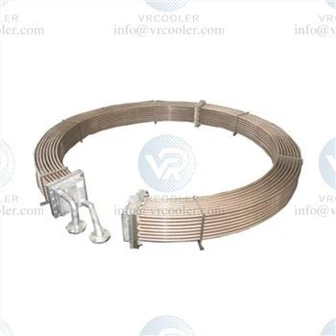
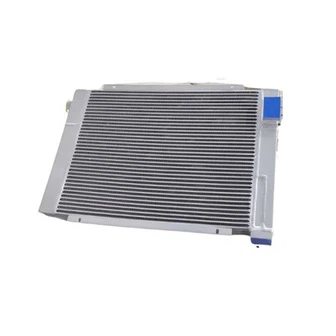
Basic structure: The split - type high - temperature and low - temperature dry coolers are mainly composed of two relatively independent heat - exchange units, namely the high - temperature dry cooler and the low - temperature dry cooler. Each unit has its own finned - tube heat - exchanger and air - moving device, such as an axial - flow or centrifugal fan. The heat - exchanger is made up of a large number of heat - exchange tubes, and fins are installed outside the tubes to increase the heat - exchange area.
Working principle: In the high - temperature dry cooler, the high - temperature coolant (such as high - temperature water or glycol - water mixture) flowing through the heat - exchange tubes absorbs a large amount of heat from components like the steam turbine cylinder and the superheater in the thermoelectric power plant. Then, ambient air is blown over the finned - tube surface by the fan, and heat is transferred from the high - temperature coolant in the tubes to the air, thus cooling the high - temperature coolant. The low - temperature dry cooler is responsible for cooling the relatively low - temperature fluid in the power - generation system, such as the coolant for the generator stator and rotor cooling systems or the fluid for some auxiliary equipment cooling. The heat - exchange process is similar to that of the high - temperature dry cooler, where the low - temperature hot fluid in the tubes exchanges heat with the outside air to achieve the purpose of cooling.
Advantages
Targeted cooling: The split - type design can meet the different cooling requirements of various components in the thermoelectric power plant. The high - temperature dry cooler can be designed with a larger heat - exchange area and a higher - power fan according to the high - heat - load characteristics of the main steam system, while the low - temperature dry cooler can be optimized for the characteristics of relatively low - temperature and low - heat - load fluid cooling, improving the overall cooling efficiency.
High reliability: Since the high - temperature and low - temperature dry - cooler systems are independent of each other, if a fault occurs in the high - temperature dry - cooler system, such as a fan failure or a heat - exchanger blockage, the low - temperature dry - cooler can still ensure the normal cooling of relevant low - temperature components, which will not lead to the complete paralysis of the entire power - plant cooling system, improving the reliability and stability of the power - generation system.
Energy - saving potential: According to the actual operating conditions of the power plant, the high - temperature and low - temperature dry coolers can adopt independent control strategies. For example, when the heat load of the low - temperature system is low, the speed of the fan of the low - temperature dry cooler can be reduced, or some fans can be stopped, so as to reduce the power consumption of the fans and achieve the effect of energy conservation.
Easy maintenance: The split - type structure makes the maintenance of the equipment more convenient. Maintenance personnel can separately maintain and overhaul the high - temperature and low - temperature dry coolers, which is conducive to quickly positioning and solving problems. For example, when cleaning the heat - exchanger fins, the two dry - cooler units can be cleaned separately, reducing the difficulty and time of maintenance.
Layout in the power plant
The layout of the split - type high - temperature and low - temperature dry coolers in the thermoelectric power plant is determined according to factors such as the overall layout of the power - plant, pipeline connection, and the distribution of heat - generating equipment. They can be arranged side by side, which is convenient for centralized pipeline layout and connection; they can also be arranged at different positions of the power - plant according to the actual heat - dissipation requirements and space conditions, as long as it can ensure the smoothness of the high - temperature and low - temperature coolant pipelines and the good air - intake and exhaust conditions of the dry coolers.