What Is A Gearbox Oil Cooler?
What is a Gearbox Oil Cooler?
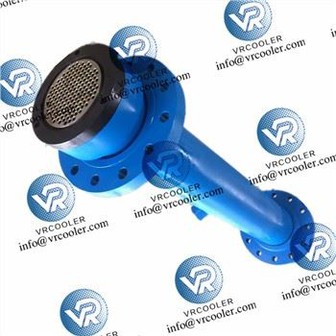
A gearbox oil cooler is a specialized heat exchange device designed to regulate the temperature of lubricating oil in a gearbox. Its primary function is to remove excess heat generated during gearbox operation, ensuring the oil remains within an optimal temperature range to maintain lubrication efficiency, protect gear components, and extend the equipment's service life.
Key Functions
Heat Dissipation:
Gearboxes (e.g., in automobiles, industrial machinery, wind turbines, or marine systems) generate significant heat due to friction between gears, bearings, and other moving parts. This heat raises the temperature of the lubricating oil, which can degrade its viscosity and lubricating properties over time. The oil cooler absorbs this excess heat from the oil, preventing overheating.
Oil Performance Preservation:
Lubricating oil functions best within a specific temperature range (typically 80–120°C, depending on the application). Beyond this range, oil may thin (reducing film strength) or oxidize (forming sludge and deposits), leading to increased wear, corrosion, or even gear failure. The cooler maintains oil viscosity and chemical stability.
Component Protection:
By controlling oil temperature, the cooler reduces thermal stress on gearbox components (gears, shafts, seals), preventing warping, material fatigue, or seal degradation (which can cause oil leaks).

Working Principle
The gearbox oil cooler operates through a simple heat exchange process:
Hot Oil Circulation: Hot lubricating oil from the gearbox is pumped into the cooler via a dedicated line.
Heat Transfer: The oil flows through a network of tubes or channels within the cooler. These tubes are in contact with a cooler medium (either air or a liquid, such as engine coolant or water).
Cooling Medium Interaction:
Air-cooled coolers: Ambient air (forced by a fan or natural convection) passes over fins attached to the oil tubes, absorbing heat from the oil.
Liquid-cooled coolers: A separate coolant (e.g., engine coolant in vehicles) flows around the oil tubes, transferring heat away from the oil. The heated coolant is then routed to a radiator for further cooling.
Cooled Oil Return: The cooled oil is pumped back into the gearbox to repeat the cycle.
Importance in Equipment Reliability
A well-functioning gearbox oil cooler is critical for preventing premature wear and failure in gearboxes. Without proper cooling, overheated oil can lead to:
Reduced lubrication, causing metal-to-metal contact between gears.
Sludge buildup, clogging oil passages and reducing flow.
Seal degradation, leading to oil leaks and contamination.
In high-stress applications (e.g., wind turbines, racing vehicles), oil coolers are often paired with temperature sensors and variable-speed fans/pumps to dynamically adjust cooling based on real-time conditions, ensuring optimal performance.