How A Marine Condenser Works?
The core working logic of a marine condenser is simple: using low-temperature cooling medium to absorb heat from high-temperature steam, turn steam into liquid condensate, and form stable vacuum environment inside the system.
High-temperature wet steam discharged from marine main engine, auxiliary boiler or steam turbine enters the shell side of the condenser
Seawater or fresh cooling water flows continuously inside heat transfer tubes
Heat transfers from steam to cooling water through tube wall rapidly
Steam releases latent heat, cools down and condenses into liquid water
Collected condensed water flows back to boiler or water making system for recycling
Non-condensable gas is discharged outwards to keep stable vacuum inside the condenser

Two Main Working Types on Ships
1. Surface Type Marine Condenser (Most Common)
Adopts closed shell and tube structure. Steam and cooling water do not contact directly, completely separated by metal tubes.
Advantage: Pure condensate, no water pollution, high heat exchange efficiency
Application: Main engine steam condensation, marine freshwater generator, atmosphere condenser
2. Jet / Mixing Type Condenser
Steam mixes directly with cooling water to finish condensation.
Advantage: Low cost, simple structure
Application: Small auxiliary marine equipment, low-demand cooling system
Main Internal Structure & Function
Heat Transfer Tube Bundle: Core heat exchange part, mostly copper nickel alloy, stainless steel or titanium tube, anti-seawater corrosion
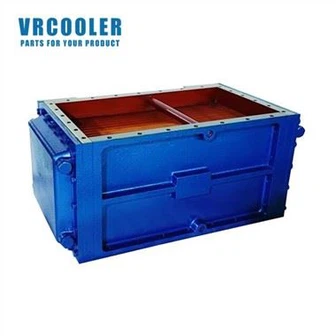
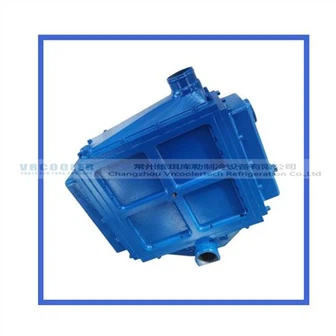
Shell Body: Sealed pressure-bearing shell, forms steam condensation space
Water Chamber: Distribute and collect cooling water flow
Air Extraction Device: Remove non-condensable gas, ensure high vacuum degree
Condensate Outlet: Discharge condensed fresh water for reuse
Core Functions On Board Vessels
Build Stable Vacuum
Lower exhaust steam pressure, improve steam turbine working efficiency and save ship fuel consumption.
Recycle Fresh Water
Condense waste steam into reusable fresh water, greatly reduce ship fresh water supply pressure.
System Temperature Control
Quickly take away redundant heat to keep marine power system running within safe temperature range.
Reduce Equipment Wear
Avoid high-temperature steam impact and water hammer phenomenon, protect pipeline and marine engine.
Daily Operation Key Points
Keep cooling water flow stable, avoid insufficient water causing poor condensation effect
Regular clean scale and marine organism attached on tube wall to guarantee heat exchange performance
Frequently check air extraction system to prevent vacuum drop
Inspect tube leakage to avoid seawater mixing into fresh condensate