Comparing Air Compressor Intercooler And Aftercooler
Comparing Air Compressor Intercooler and Aftercooler
Intercooler
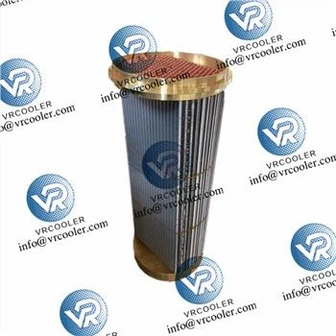
An intercooler is a heat exchanger that is placed between the stages of a multi - stage air compressor. Its main function is to cool the air that has been compressed in the first stage before it enters the second stage of compression. For example, in a two - stage air compressor, the air is first compressed in the primary stage, and then it passes through the intercooler to reduce its temperature. This cooled air is then compressed further in the second stage. The intercooler is located within the air compressor unit, between the different compression stages.
Aftercooler
An aftercooler, on the other hand, is placed at the output of the air compressor. After the air has gone through all the compression stages and has reached the final discharge pressure, it enters the aftercooler. The aftercooler's role is to cool the air that is about to be delivered to the end - use application, such as a pneumatic tool, a storage tank, or a process that requires compressed air. It is the last component in the air compressor's cooling system, located after the final stage of compression.
Cooling Purpose and Benefits
Intercooler
Increased Compression Efficiency: By cooling the air between compression stages, the intercooler reduces the work required for the subsequent stage of compression. According to the ideal gas law (PV=nRT), cooling the air decreases its volume (at a constant pressure), which means less work is needed to compress it further. For example, in a two - stage compressor, an intercooler can reduce the overall power consumption of the compressor by up to 15 - 20% compared to a single - stage compressor without intercooling.
Prevention of Overheating: Compressing air generates heat. If the air is not cooled between stages, the temperature can rise to a level that may damage the compressor components. The intercooler helps to keep the temperature within a safe operating range, thereby increasing the durability and reliability of the compressor. For instance, in high - pressure air compressors, the intercooler can prevent the temperature from exceeding the material's temperature limits for the compressor's valves and pistons.
Aftercooler
Removal of Moisture: As air is compressed, its dew point rises. When the hot, compressed air from the compressor is cooled in the aftercooler, moisture in the air condenses. This is beneficial because it reduces the amount of water vapor that enters the downstream equipment or storage. For example, in a pneumatic system, water in the compressed air can cause corrosion in pipes and damage to pneumatic tools. By using an aftercooler, the water content can be significantly reduced, improving the quality of the compressed air.
Enhanced End Use Performance: Many end use applications of compressed air require the air to be at a lower temperature. For example, in a spray - painting booth, cool air is essential for better paint atomization and quality. The aftercooler cools the air to a suitable temperature for such applications, improving the overall performance of the equipment using the compressed air.
Design and Heat Transfer Mechanisms
Intercooler
Compact Design: Intercoolers are often designed to be relatively compact since they are integrated within the compressor housing. They usually have a smaller heat exchange area compared to aftercoolers. The design focuses on efficient heat transfer in a limited space. They commonly use fin-and-tube or plate-and-fin heat exchanger designs. In a fin-and-tube intercooler, the hot air passes through tubes that are surrounded by fins. The fins increase the surface area for heat transfer to the cooling medium, which is usually air or water.
High Pressure Design: Intercoolers need to be able to withstand the high pressure differentials between the two compressor stages. The materials used in their construction are selected for their strength and pressure resistance properties. The tubing and the overall structure are designed to handle the pulsating high pressure airflow that occurs during the compression process.
Aftercooler
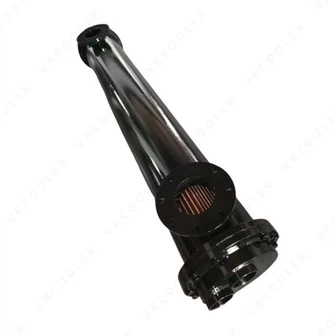
Larger Heat Exchange Area: Aftercoolers typically have a larger heat exchange area because they need to cool the entire volume of air discharged from the compressor to a relatively low temperature. They can use a variety of heat exchanger designs, such as shell-and-tube, plate-type, or air-cooled fin-and-tube. In a shell-and-tube aftercooler, the hot compressed air passes through the tubes, and the cooling medium (usually water) circulates in the shell around the tubes to absorb the heat.
Condensate Drainage: Aftercoolers are designed with condensate drainage systems. Since the cooling process in the aftercooler causes moisture to condense, there needs to be a way to drain this water out of the system. The drainage system usually consists of a drain valve and a collection chamber to ensure that the condensed water is removed regularly to prevent it from re - entering the compressed air stream.