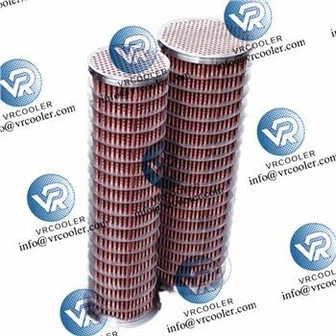
High And Low Temperature Gas Engine Intercooler Aftercooler
High and Low Temperature Gas Engine Intercooler Aftercooler
High and Low Temperature Gas Engine Intercoolers and Aftercoolers are crucial components in improving the performance, efficiency, and longevity of gas engines, especially in power generation and industrial applications. These coolers are designed to manage the temperature of the intake air at various stages of the engine's operation, optimizing combustion and preventing thermal damage to the engine components.
Intercoolers for Gas Engines (High-Temperature):
An intercooler is a type of heat exchanger that cools the air between stages of compression in a gas engine. In engines that utilize multiple compression stages, the air is compressed in two or more stages, and the intercooler cools the air between these stages. This results in lower air temperatures, which increases the density of the air, allowing more oxygen to enter the engine for better combustion efficiency.
Key Features of Intercoolers:
High-Temperature Operation: Intercoolers typically deal with very high-temperature compressed air that is often above 100°C (212°F) and can be much higher, depending on engine design.
Efficient Heat Transfer: Intercoolers are designed to effectively transfer heat from the compressed air to a cooling medium (air or water), usually utilizing a heat exchanger system with fins or tubes to increase surface area for heat dissipation.
Material Selection: Intercoolers for high-temperature applications are usually made from materials like aluminum, stainless steel, or copper alloys, which can withstand high temperatures and pressures without corroding or degrading.
Benefits of High-Temperature Intercoolers:
Increased Engine Efficiency: By cooling the intake air between compression stages, intercoolers reduce the temperature of the air entering the combustion chamber, improving engine efficiency.
Reduced Engine Knock: Intercooling helps prevent knocking or detonation, which can occur if the air-fuel mixture is too hot during combustion.
Improved Power Output: Cooler, denser air increases the amount of oxygen available for combustion, which can boost power output and improve fuel efficiency.

Aftercoolers for Gas Engines (Low-Temperature):
An aftercooler is another type of heat exchanger used to cool the air after it has passed through the engine's compression stages. Aftercoolers are typically used as the final cooling step, ensuring that the air entering the combustion chamber is at a lower temperature, which enhances combustion stability and overall engine performance.
Key Features of Aftercoolers:
Post-Compression Cooling: Aftercoolers cool the air after it has been compressed, ensuring that the intake air entering the engine is at an optimal temperature for efficient combustion.
Low-Temperature Operation: These coolers operate at lower temperatures compared to intercoolers, typically in the range of 30-60°C (86-140°F).
Cooling Medium: Like intercoolers, aftercoolers can be either air-to-air or air-to-water, with the choice of coolant depending on the application and environmental conditions.
Benefits of Low-Temperature Aftercoolers:
Optimal Combustion Conditions: By lowering the temperature of the intake air, aftercoolers improve combustion efficiency, which leads to better engine performance and lower emissions.
Improved Fuel Economy: Lower intake air temperatures help in achieving better fuel combustion and thus improve fuel economy.
Protection for Engine Components: Excessively high intake temperatures can lead to engine damage and wear. Aftercoolers prevent thermal stress on engine components such as valves, pistons, and turbochargers.

Design Considerations for Gas Engine Intercoolers and Aftercoolers:
When designing intercoolers and aftercoolers for gas engines, several factors must be considered to ensure optimal performance and reliability:
Thermal Capacity: Both intercoolers and aftercoolers must have the appropriate thermal capacity to handle the high heat load from the compressed intake air.
Pressure Resistance: These coolers must be able to withstand the pressure levels generated by the engine's compression process.
Efficiency: High heat transfer efficiency is essential to minimize the temperature of the intake air and improve engine performance.
Material Durability: The materials used must be resistant to corrosion, especially for water-cooled designs that could come into contact with moisture or other corrosive elements.
Maintenance Accessibility: Easy maintenance and cleaning are essential, especially since intercoolers and aftercoolers can accumulate dirt, oil, and debris over time.
Size and Weight: The size and weight of the cooler must fit within the engine compartment or surrounding infrastructure, balancing cooling performance with spatial constraints.
Application Areas:
Power Generation: Gas engines used for power generation, both stationary and mobile, benefit greatly from the improved efficiency provided by intercoolers and aftercoolers.
Industrial Engines: In industrial applications, such as compressors, pumps, and turbines, these coolers ensure that gas engines run efficiently and reliably, even under heavy loads.
Marine Engines: Gas engines in marine applications use intercoolers and aftercoolers to ensure optimal performance in challenging environments, where temperature and humidity conditions vary widely.