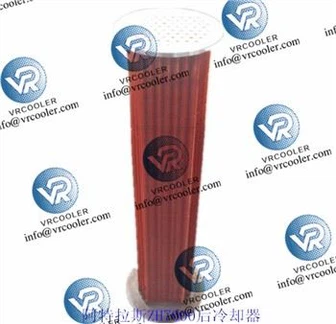
How To Maintain A Marine Turbocharger Intercooler?
How to Maintain a Marine Turbocharger Intercooler?
Regular Cleaning
External Cleaning
Due to the special characteristics of the marine environment, the exterior of the intercooler is prone to accumulate dust, salt spray, oil and other impurities. Periodically (e.g. every 1 - 2 weeks, the specific time can be adjusted according to the operating environment and frequency of the ship) use a clean damp cloth or soft brush to clean the external surface of the intercooler. For oil contamination that is difficult to remove, a mild detergent can be used, but avoid the detergent from entering the inside of the intercooler.
During the cleaning process, carefully inspect the intercooler housing for signs of corrosion, deformation or damage. If small corrosion spots are found, they can be repaired with an appropriate anti-corrosion paint; if the housing is cracked or deformed in a large way, the intercooler housing or the entire intercooler may need to be replaced.
Internal Cleaning
Internal cleaning is relatively complicated because the passages inside the intercooler are easily blocked by oil sludge, scale, etc. Depending on the operating conditions of the vessel, the interior of the intercooler can be cleaned every few months (e.g. 3 - 6 months). For air-to-air intercoolers, the internal passages can be purged with compressed air from the opposite direction to remove dust and debris. When blowing, care should be taken not to over-pressurise to avoid damaging the internal structure of the intercooler.
For air-to-water intercoolers, if there is a build-up of scale or sludge inside, they can be cleaned using a specialised chemical cleaner. To clean, remove the intercooler from the system, immerse it in the cleaner for a period of time (the specific immersion time depends on the instructions of the cleaner and the degree of fouling), and then rinse it off with clean water. After cleaning, make sure the inside of the intercooler is completely dry before reinstalling it.
Checking coolant and air flow
Coolant Check
For air-to-water intercoolers, check the coolant level and quality regularly (weekly or fortnightly). If the level is too low, replenish the coolant promptly. Also, check the coolant for discolouration, cloudiness or odour. If abnormalities are found in the coolant, there may be leaks inside the intercooler or the coolant may be contaminated, and further inspection of the intercooler's coolant passages for leakage points is required.
Also check the coolant circulation system, including the water pump, pipes and valves. Make sure that the coolant is able to circulate smoothly through the intercooler with no blockages or leaks. You can check the circulation of coolant by observing the flow of coolant or by using a flow testing device.
Air flow check
Periodically check that the air inlet and outlet of the intercooler are clear. Make sure there are no foreign objects blocking the air passages, such as leaves, plastic bags, etc. Also, check the air ducts connected to the intercooler for breakage, air leakage, etc. You can use a smoke test or pressure test to check the sealing of the air ducts.
For the air passage inside the intercooler, in addition to checking it when cleaning, if you find abnormal supercharger pressure or reduced engine power during operation, etc., you should also consider whether it is caused by the blockage of the air passage inside the intercooler. You can measure the difference between the inlet and outlet air pressure to make a preliminary judgement on the degree of smoothness of the air passage.

Checking sealing performance
Seal check of connections
Periodically (monthly or so) check the sealing of the intercooler at the connections to the inlet and outlet air lines and the coolant lines. Check to see if the sealing gaskets are intact, deteriorated, deformed or damaged. If a defective gasket is found, replace it promptly. When replacing the sealing gasket, choose the appropriate material and specification to ensure good sealing effect.
For connection bolts, check their tightness. Loose bolts may cause air or fluid leakage from the connection. Tighten the bolts to the specified torque using a suitable tool, but be careful not to over-tighten them to avoid damage to the intercooler or pipework.
Internal Seal Check
The sealing performance inside the intercooler is also important. If there is a leak between the internal cooling passages and the air passages, the performance of the intercooler will be affected. Internal sealing can be checked by pressure testing. Close one end of the intercooler, fill it with a certain pressure of gas (e.g. compressed air) from the other end, and then observe whether the pressure stabilises. If the pressure drops too quickly, it means that there may be a leakage point inside the intercooler, which needs to be further checked and repaired.
Periodic Performance Testing
Temperature test
Measure the temperature of the intercooler inlet and outlet air at regular intervals (e.g., at the end of each voyage or weekly) during the operation of the vessel. Normally, there should be a significant drop in air temperature after cooling by the intercooler. If the temperature difference between the inlet and outlet air is found to be too small, the cooling efficiency of the intercooler may have decreased, and it is necessary to check whether the intercooler is clogged or not, and whether the coolant circulation is normal or not.
Pressure test
Measure the pressure of the inlet and outlet air of the intercooler. By comparing the pressure difference between the inlet and outlet, you can judge the smoothness of the air passage inside the intercooler. If the pressure difference is too large, the internal passage may be blocked; if the pressure difference is too small, the intercooler may be leaking or the air piping may be broken. Meanwhile, for air-to-water intercoolers, the coolant pressure should also be checked regularly to ensure that it is within the normal range.