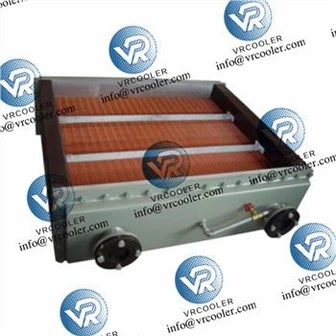
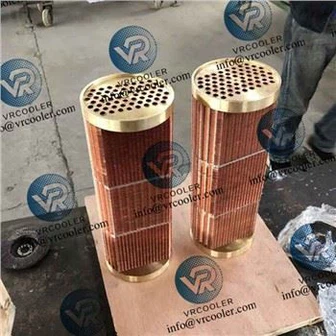
What Is High And Low Temperature Aftercooler Intercooler For Engine
What is High and Low Temperature Aftercooler Intercooler for Engine
High and low temperature aftercoolers and intercoolers are essential components in engine systems, particularly for turbocharged and supercharged engines. They help manage the temperature of compressed air, improving efficiency and performance.
Intercooler
Function: An intercooler cools the compressed air between stages of compression. In multi-stage turbocharging, after the first stage compresses the air, it passes through the intercooler before entering the next stage. This cooling process reduces the temperature of the air, increasing its density and allowing for better combustion.
Types:
Air-to-Air Intercooler: Uses ambient air to cool the compressed air. It is lightweight and simple but depends on environmental conditions.
Air-to-Water Intercooler: Uses a water medium (often seawater or coolant) for cooling. More effective in maintaining lower temperatures.
Aftercooler
Function: An aftercooler cools the air after it has been compressed and before it enters the engine's combustion chamber. This is crucial for ensuring that the air is at an optimal temperature for combustion, enhancing efficiency and power output.
Types:
High-Temperature Aftercooler: Designed to handle higher temperatures; typically used in heavy-duty applications. These coolers require robust materials and designs to withstand increased thermal stresses.
Low-Temperature Aftercooler: Operates at lower temperatures and is usually used in lighter applications or where space and weight savings are critical.