


Transformer Oil Water Cooler
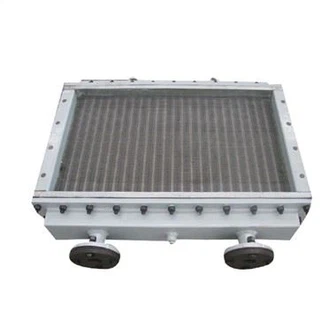
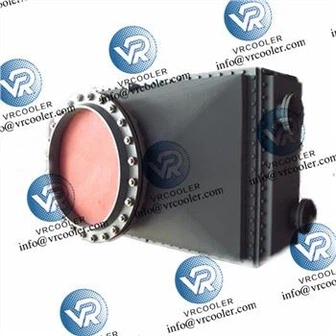
A transformer oil water cooler transfers heat from circulating transformer oil to a separate cooling-water circuit through an oil-water heat exchanger. It is considered when a transformer requires compact, stable heat removal and the site can provide suitable cooling water, controlled drainage...
Product Introduction
Changzhou Vrcooler Refrigeration Co., Ltd. is one of the most reliable manufacturers and suppliers of transformer oil water cooler in China, featured by quality products and good price. Please feel free to buy advanced transformer oil water cooler for sale here from our factory. Also, aftermarket service is available.

A transformer oil water cooler transfers heat from circulating transformer oil to a separate cooling-water circuit through an oil-water heat exchanger. It is considered when a transformer requires compact, stable heat removal and the site can provide suitable cooling water, controlled drainage or a closed water-circulation system.
VRCOOLER supplies custom transformer oil water coolers for power plants, substations, industrial transformers, hydroelectric facilities and other applications where the cooling system must be coordinated with oil circulation, water quality, pressure control and safety monitoring.
The design is not only a matter of selecting a compact heat exchanger. The oil side, water side, leakage consequences, differential pressure, cleaning access and control signals must be considered together.
Water can remove heat efficiently within a compact heat-exchange package, but it also introduces a second fluid circuit that requires disciplined design and maintenance. A transformer oil water cooler is therefore best evaluated as part of the complete transformer cooling system.
VRCOOLER can support project review for:
High-load power transformers
Hydroelectric power plant transformers
Indoor or space-constrained substations
Urban installations with restricted footprint
Industrial and process transformers
Converter and other specialized power facilities
Replacement of existing oil-water coolers
Retrofit projects with an established circulating-water system
Final suitability depends on the approved transformer data, water source and site operating conditions.
The cooler uses two separated flow circuits:
A transformer oil pump sends heated oil from the transformer tank to the oil side of the heat exchanger.
A cooling-water pump sends treated or otherwise approved water through the water side.
Heat crosses the tube wall or heat-transfer surface from the warmer oil to the cooler water.
The cooled transformer oil returns to the transformer tank.
The warmed water is routed to a cooling tower, secondary heat exchanger, closed-loop circuit or approved discharge arrangement.
Temperature, oil flow, water flow and pressure conditions can be monitored through the project control system.
Transformer oil and cooling water must remain separated. A loss of separation can allow water to enter the transformer oil circuit, which may compromise insulation and create a serious equipment risk. The leak-protection concept and pressure relationship must therefore be defined during engineering.
Compact Heat Removal
An oil-water heat exchanger can provide substantial heat transfer in a relatively compact package when suitable cooling water is available. This can be valuable in indoor substations, power-plant buildings and other locations where air-side cooler dimensions or airflow are difficult to accommodate.
Less Dependence on Outdoor Ambient Air
Water-side cooling performance is governed by the available water temperature and flow conditions rather than only by outdoor air temperature. This may help projects that operate in hot climates or require a stable cooling condition, subject to the capability of the water system.
Lower Air-Side Noise
The heat exchanger itself does not require a large air fan for the primary heat-transfer duty. This can be useful in indoor or noise-sensitive locations, although pumps, valves and the wider water-circulation system still require acoustic and vibration review.
Flexible Heat-Rejection Arrangement
The warmed cooling water can be sent to a cooling tower, central cooling-water loop, dry cooler or secondary heat exchanger. The correct arrangement depends on the plant utilities, water quality, discharge rules and operating philosophy.
The principal difference between an air cooler and a water cooler is the consequence of a cross-fluid leak. A transformer oil water cooler should therefore be specified with a clear safety and monitoring strategy.
Project discussions may include:
Oil-side and water-side design pressures
Required differential-pressure relationship
Double-tube or other enhanced leak-detection concept, where specified
Differential-pressure alarm
Oil and water flow monitoring
Water-side pressure and level monitoring
Leak detection or conductivity monitoring, where applicable
Automatic isolation valves
Drain and sampling points
Emergency shutdown logic
Inspection and pressure-test requirements
The final protection arrangement must be approved by the transformer and plant engineering teams. No product description should imply that a particular leak-protection feature is included unless it has been confirmed for the selected configuration.
Main Configuration Items
Heat-Exchanger Body
Shell-and-tube or other approved oil-water construction
Oil-side and water-side flow arrangement
Heat-transfer surface and pass arrangement
Tube material and tube-sheet selection
Removable cover or header arrangement where required
Vent, drain and sampling connections
Service and cleaning access
Transformer-Oil Circuit
Oil inlet and outlet connections
Oil pump interface
Oil flow rate and pressure drop
Oil inlet and outlet temperature
Oil-compatible seals and gaskets
Isolation and bypass provisions
Temperature and flow instrumentation
Cooling-Water Circuit
Water inlet and outlet connections
Water flow rate and inlet temperature
Water chemistry and filtration conditions
Water-side pressure drop
Closed-loop or once-through arrangement
Drainage, venting and flushing provisions
Water-treatment and freeze-protection requirements where applicable
Monitoring and Protection
Differential-pressure signal
Oil and water flow switches or transmitters
Temperature sensors
Leak detection interface
Automatic isolation logic
Alarm and trip contacts
Control-panel integration
A water-cooled transformer cooler is only as reliable as the cooling-water system that supports it. Before selecting the heat exchanger, the project team should define:
Water source and whether it is open or closed circuit
Inlet temperature range
Flow availability and pump duty
Suspended solids and filtration level
Hardness, chloride and other relevant chemical conditions
Corrosion and scaling control
Fouling allowance and cleaning method
Drainage and disposal arrangement
Seasonal or low-temperature operating conditions
Poorly controlled water quality can cause fouling, corrosion, blockage or reduced heat transfer. The cooler material and maintenance plan should be chosen together with the plant water-management strategy.
Transformer oil water coolers may be considered for:
Large power transformers
Hydroelectric station transformers
Indoor and underground substations
Urban substations with limited outdoor space
Industrial process transformers
Converter-station equipment
Furnace and high-load transformers
Power plants with an established circulating-water system
Sites with strict air-side noise or ambient-temperature constraints
The application must be checked against the transformer cooling designation, available water utility and required redundancy.
For a new installation, early coordination can help integrate the cooler with the transformer, oil pumps, water pumps and plant control system. Review the following interfaces before equipment is ordered:
Transformer tank oil connections
Cooler support and foundation
Oil and water pipe routing
Pump and valve locations
Differential-pressure monitoring
Leak detection and alarm logic
Heat rejection from the water circuit
Inspection and tube-cleaning access
Drainage and water-treatment facilities
Required test and documentation package
Early review is especially important where the oil-water cooler is located inside a building or where a leak could affect electrical equipment or floors below.
Replacing an oil-water cooler requires both mechanical and safety compatibility. The proposed unit should be checked against the original heat duty, oil and water circuits, operating pressure, connection arrangement and available service space.
For a replacement inquiry, provide:
Transformer nameplate and cooling designation
Existing cooler nameplate or drawings
Oil-side and water-side connection details
Oil flow and inlet/outlet temperatures
Water flow and inlet temperature
Water quality or treatment information
Design pressures and allowable pressure drops
Current monitoring and alarm arrangement
Installation photographs and available clearance
Records of leakage, fouling, corrosion or tube failure
If the original cooler is unavailable, the replacement should be treated as a technical redesign rather than a simple dimensional copy.
VRCOOLER manufactures heat-exchange equipment for power-generation, industrial and rotating-equipment applications. For transformer oil water cooler projects, the emphasis is on treating the cooler as part of the transformer protection system, not simply as an oil-water heat exchanger.
Our approach is to:
Review oil duty and water utility together.
Identify cross-fluid leak consequences during design discussion.
Consider water quality, fouling and service access.
Confirm connections, monitoring points and installation space.
Provide only the technical specifications supported by the approved project data.
Common Problem
-
What is a transformer oil water cooler?
It is an oil-water heat exchanger that removes heat from circulating transformer oil and transfers it to a separate cooling-water circuit.
-
Can water enter the transformer oil circuit?
The two fluids should remain separated by the heat-transfer surface. If a tube, gasket or other boundary fails, water may enter the oil circuit. This is why pressure management, leak detection, alarms and isolation provisions are important parts of the engineering design.
-
What cooling water can be used?
The suitable water source depends on the heat exchanger material, water chemistry, filtration, temperature, flow stability and plant arrangement. Raw water should not be assumed suitable without a water-quality review.
-
What information should be included in an RFQ?
Include transformer data, oil-side and water-side flow conditions, temperatures, pressures, water quality, connection details, leak-protection requirements, installation dimensions and documentation needs. Existing drawings and maintenance records are useful for replacement work.
Send VRCOOLER the transformer information, oil and water operating data, site layout and safety requirements. Our engineering team will review the heat-exchanger duty, fluid separation and installation interfaces before proposing a suitable transformer oil water cooler configuration.
Our address
No. 18-69,Changwu Zhong Road, Wujin district, Changzhou, Jiangsu
Phone Number

Hot Tags: transformer oil water cooler, China, suppliers, manufacturers, buy, price, replacement, for sale, aftermarket service, air cooled exciter, air cooler for exciter system, air cooling for generator, Garbage Power Generation water air cooler, generator air cooling system, H2 generator cooler
You Might Also Like



Send Inquiry
