Why Gas Generators Need Hydrogen Coolers
Why Gas Generators Need Hydrogen Coolers
Gas generators, particularly large-scale power generators such as those found in power plants, need hydrogen coolers to maintain efficient and safe operation.
Hydrogen is used as a coolant because of its exceptional thermal properties, which make it ideal for cooling large electrical generators:
High Thermal Conductivity: Hydrogen has the highest thermal conductivity of any gas, allowing it to transfer heat away from the generator components more effectively than other gases.
Low Density: Hydrogen is much lighter than air, resulting in lower windage losses (frictional losses due to the movement of gas in the generator).
High Specific Heat: Hydrogen can absorb a significant amount of heat before its temperature rises, making it efficient for maintaining generator temperatures.
Generators operate at high speeds, and the friction between the rotor and the surrounding gas (windage losses) can lead to inefficiencies and heat buildup. Hydrogen's low density reduces these losses compared to air, improving the overall efficiency of the generator.
Large generators produce immense amounts of heat due to electrical resistance in the stator and rotor windings, as well as magnetic losses. Hydrogen cooling allows these generators to operate at higher outputs by efficiently removing this heat, which would otherwise limit performance.
Prevention of Overheating and Damage
Overheating in the generator can lead to:
Insulation breakdown: Excessive heat can degrade the insulation of windings, leading to electrical faults.
Component damage: Critical components like the rotor and stator can warp or fail under high temperatures.
Reduced lifespan: Prolonged exposure to heat significantly shortens the operational life of the generator.
Hydrogen coolers help prevent these issues by maintaining an optimal operating temperature.
Combination of Hydrogen and Water Cooling
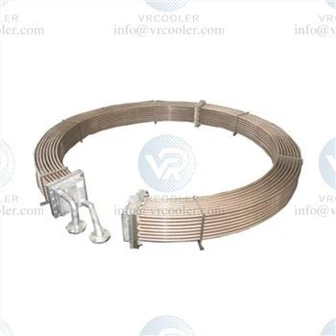
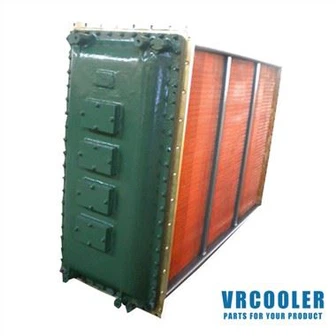
In most large generators, hydrogen is used to cool the rotor and stator windings, while a secondary water cooling system removes heat from the hydrogen itself. The hydrogen cooler acts as a heat exchanger, transferring heat from the hydrogen to water, which is then circulated to dissipate the heat externally.