What Is The Intercooler in A Centrifugal Air Compressor?
What is the Intercooler in a Centrifugal Air Compressor?
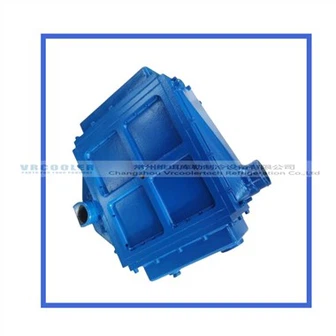
In a centrifugal air compressor, an intercooler is a heat exchanger designed to cool the compressed air between successive stages of compression. Its primary role is to reduce the temperature of the air after it has been compressed in one stage, before it enters the next stage for further compression. This process is critical for optimizing the compressor's efficiency, performance, and longevity.
Key Functions of an Intercooler in a Centrifugal Air Compressor
Reduce Air Temperature to Improve Efficiency
When air is compressed, its temperature rises significantly (due to the conversion of mechanical energy into heat). Hotter air is less dense, which means the next stage of the compressor must work harder to compress a smaller mass of air, increasing energy consumption. By cooling the air with an intercooler, the air density is restored, allowing the next stage to compress a larger mass of air with less energy input. This directly improves the compressor's isentropic efficiency (a measure of how close the compression process is to ideal, energy-efficient conditions).
Prevent Overheating and Protect Components
Excessively high temperatures can damage compressor components, such as impellers, bearings, and seals, by accelerating wear, oxidation, or thermal stress. Intercoolers remove heat from the compressed air, keeping overall operating temperatures within safe limits and extending the lifespan of the equipment.
Reduce Moisture Accumulation
Compressed air holds less moisture at lower temperatures. As the intercooler cools the air, water vapor condenses out, which can be drained away through a separator. This reduces moisture-related issues downstream, such as corrosion in pipes, damage to tools/machinery, or contamination of processes that use the compressed air.
How an Intercooler Works
Centrifugal compressors often use multi-stage compression (2–4 stages, depending on pressure requirements) to achieve high discharge pressures. Between each stage:
The compressed (and heated) air from the first stage is routed to the intercooler.
The intercooler uses a cooling medium (typically ambient air or cooling water) to absorb heat from the compressed air.
Air-cooled intercoolers use fans to blow ambient air over finned tubes carrying the hot compressed air, transferring heat to the atmosphere.
Water-cooled intercoolers circulate cold water through tubes or a jacket around the compressed air flow, with the heated water then cooled in a separate system (e.g., a cooling tower).
The cooled air (at a lower temperature and higher density) is then fed into the inlet of the next compression stage for further pressurization.
Why Intercooling is Necessary in Multi-Stage Compression
In single-stage centrifugal compressors, air is compressed in one pass, but for high-pressure applications (e.g., industrial processes requiring 10–100 bar), multi-stage compression is necessary. Without intercooling between stages:
The air temperature would rise exponentially with each stage, leading to inefficiency, increased energy use, and potential component failure.
The compressor would struggle to achieve the desired discharge pressure due to the reduced density of hot air.
In summary, the intercooler is a vital component in multi-stage centrifugal air compressors, enabling efficient, safe, and reliable compression by managing heat, restoring air density, and protecting the system from thermal damage.