What Is The Difference Between A Fresh Water Cooling System And A Seawater Cooling System?
What is the difference between a fresh water cooling system and a seawater cooling system?
The main difference between a fresh water cooling system and a seawater cooling system lies in the source of the coolant used to regulate the temperature of an engine or machinery.
Fresh Water Cooling System:
Coolant Source: Fresh water cooling systems use freshwater (a mixture of water and antifreeze) as the primary coolant. This freshwater is circulated through the engine or machinery to absorb heat generated during operation.
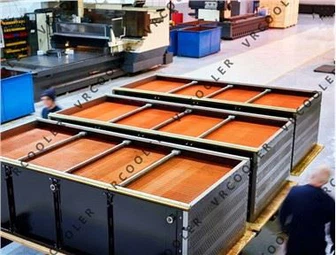
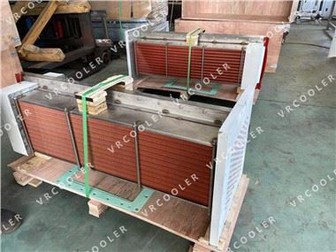
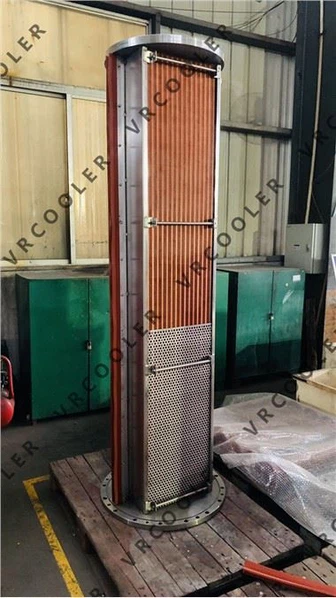
Heat Exchanger: In marine applications, where the proximity to seawater might lead to corrosion issues, fresh water systems often incorporate a heat exchanger. The engine coolant transfers heat to a separate circuit containing seawater, which is used as a cooling medium for the heat exchanger. This setup helps protect the engine components from direct exposure to seawater.
Seawater Cooling System:
Coolant Source: Seawater cooling systems use seawater directly as the coolant. Seawater is drawn from the sea and circulated through the engine or machinery to absorb heat.
Heat Exchanger: In some systems, especially those used in marine applications, a heat exchanger may still be employed. The engine coolant circulates through one side of the heat exchanger, while seawater circulates through the other side. This setup prevents direct contact between seawater and engine components, reducing the risk of corrosion.
Considerations:
Fresh water cooling systems are often preferred in situations where the engine or machinery is exposed to both freshwater and seawater but where corrosion concerns necessitate the use of freshwater as the primary coolant.
Seawater cooling systems are simpler in design as they use seawater directly, but they require careful corrosion management to prevent damage to the engine or equipment.
In summary, the choice between a fresh water cooling system and a seawater cooling system depends on factors such as the environment in which the equipment operates, the potential for corrosion, and the design preferences of the specific application. Heat exchangers play a critical role in managing these systems to ensure efficient cooling while mitigating the impact of corrosive seawater.