Marine Engine Box Cooler
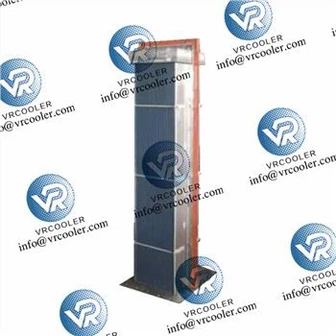
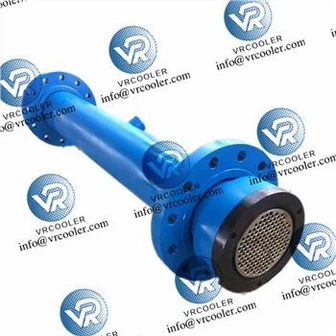
A marine engine box cooler, often referred to simply as a "box cooler," is a type of heat exchanger used in the cooling systems of marine engines. It's designed to cool the engine by transferring heat from the engine coolant to an external cooling medium, usually seawater.
The box cooler is typically a rectangular or square-shaped structure that is mounted on the exterior of the ship's hull, partially submerged in seawater.
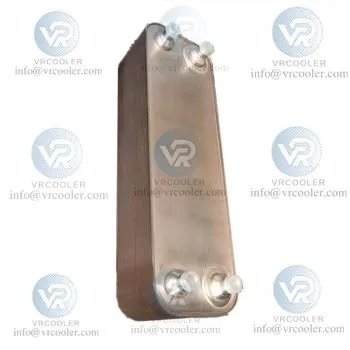
It consists of a series of tubes or plates through which the engine coolant flows. These tubes or plates are in direct contact with the surrounding seawater.

The engine coolant, which is a mixture of water and antifreeze, circulates through the tubes or plates inside the box cooler.
As the ship moves through the water, seawater is forced through the box cooler, absorbing the heat from the engine coolant.
The heat exchange between the engine coolant and seawater helps regulate the temperature of the engine, preventing it from overheating.
Box coolers are typically made of materials that resist corrosion, as they are in constant contact with seawater. Common materials include copper-nickel alloys, aluminum, or other corrosion-resistant materials.
The box cooler is connected to the ship's cooling system through piping that allows the flow of engine coolant to and from the box cooler.
Marine engine box coolers are commonly used in various types of vessels, including ships and boats. They provide an effective means of cooling the engine in marine environments where direct seawater cooling is preferred over freshwater cooling due to practical and environmental considerations. The design and size of the box cooler depend on the specific requirements of the vessel and the engine it is cooling.