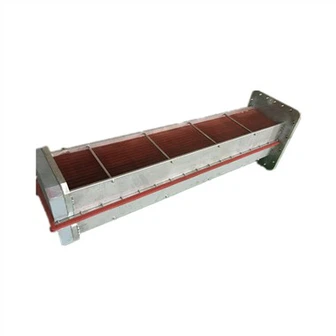
What Is Fresh Water Cooler In Marine Engine
What is a Fresh Water Cooler?
In the context of marine engines, a fresh water cooler (also known as a heat exchanger) is used to cool the engine's coolant (fresh water) before it circulates back to the engine. This process helps prevent overheating and ensures efficient engine performance.
How It Works
Heat Exchange: The fresh water cooler uses a heat exchange process where the hot coolant from the engine flows through the cooler. The cooler is typically filled with seawater or another cooling medium that absorbs heat from the coolant.
Cooling Process: As the hot coolant passes through the cooler, heat is transferred to the seawater, which is then discharged back into the ocean or body of water. This lowers the temperature of the coolant before it re-enters the engine.
Components
Cooling Tubes: These are the passages where the coolant flows. They are designed to maximize surface area for efficient heat transfer.
Seawater Inlet and Outlet: These connections allow seawater to flow into and out of the cooler.
End Caps: These seal the cooler and separate the fresh water and seawater passages.

Benefits
Prevent Overheating: By efficiently removing excess heat, the cooler helps prevent engine overheating, which can lead to damage.
Improved Performance: Maintaining the engine at an optimal temperature improves efficiency and performance.
Longevity: Helps extend the lifespan of the engine by reducing thermal stress.
Maintenance Tips
Regular Inspection: Check for fouling or blockages in the cooling tubes, especially if operating in areas with high marine growth.
Cleaning: Periodically clean the cooler to remove any deposits or scale buildup.
Monitor Temperature: Keep an eye on engine temperature gauges to ensure the cooler is functioning properly.