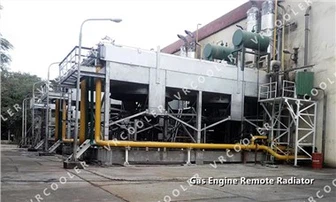
HT LT System Air Cooler in Marine Main Engine
HT LT System Air Cooler in Marine Main Engine
In a marine main engine, the HT (High Temperature) and LT (Low Temperature) system air coolers play crucial roles in managing the temperature of the engine and its associated systems.
Purpose:
HT Air Cooler: Designed to cool high-temperature air, typically from the turbocharger or other high-temperature sources.
LT Air Cooler: Used to cool low-temperature air, often from the engine's intake or other systems requiring less intensive cooling.
Functionality:
Both coolers facilitate the transfer of heat away from the air, which helps maintain optimal operating temperatures and improve engine efficiency.
How They Work
Heat Exchange Process:
Air Flow: The coolers allow air to flow through them, where it comes into contact with coolant or seawater circulating in separate channels.
Heat Transfer: As the hot air passes through the cooler, heat is transferred to the coolant or seawater, thereby cooling the air before it re-enters the engine or turbocharger.
Importance of HT and LT Air Coolers
Engine Efficiency: By keeping intake air at optimal temperatures, these coolers help improve combustion efficiency, leading to better engine performance and fuel economy.
Prevent Overheating: They play a vital role in preventing overheating, which can lead to mechanical failure or reduced engine life.
Emission Control: Proper air cooling contributes to more complete combustion, which can help reduce emissions.
Maintenance Tips
Regular Inspections: Check for blockages, leaks, and signs of wear regularly.
Cleaning: Depending on operating conditions, clean the coolers every 6 to 12 months or as needed based on performance indicators.
Monitor Performance: Keep an eye on engine temperatures and performance metrics to catch any issues early.