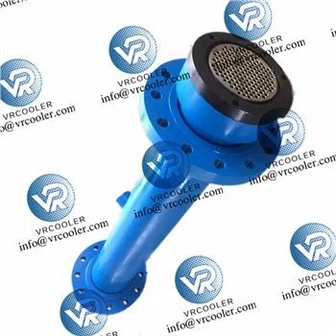
Waste Heat Recovery For Power Generation System
Finned Tube Heat Exchanger for Waste Heat Recovery in Power Generation Systems
A finned tube heat exchanger is an effective technology used in waste heat recovery systems to enhance energy efficiency in power generation.

What is a Finned Tube Heat Exchanger?
A finned tube heat exchanger consists of tubes with extended surfaces (fins) attached to them. These fins increase the surface area available for heat transfer, making the unit more efficient at transferring heat from one fluid to another.
How Does It Work?
Heat Transfer Process:
Hot Fluid Inlet: Waste heat (often from exhaust gases or process fluids) enters the heat exchanger.
Heat Exchange: The hot fluid passes over the fins, transferring heat to the tubes, which contain a cooler fluid (often water or oil).
Cooler Fluid Outlet: The heated fluid exits the exchanger, while the cooler fluid absorbs the waste heat and is then used for other processes, such as steam generation or preheating.
Flow Arrangement: Finned tube heat exchangers can be configured in various arrangements (counterflow, parallel flow, or crossflow) depending on the application and design requirements.
Benefits of Finned Tube Heat Exchangers
Increased Efficiency: By recovering waste heat, these exchangers improve the overall efficiency of power generation systems, reducing fuel consumption and emissions.
Compact Design: The finned design allows for a smaller footprint compared to traditional heat exchangers, making it easier to integrate into existing systems.
Versatility: Suitable for various applications, including gas turbines, diesel engines, and industrial processes.
Cost Savings: Reduced fuel costs and improved operational efficiency lead to significant savings over time.