What Are The Advantages Of Using A Lubricating Oil Cooler?
What are the advantages of using a lubricating oil cooler?
What exactly is a lubricating oil cooler?
A lubricating oil cooler is a device that cools the lubricating oil in an engine or other piece of machinery. Lubricating oil is used in engines to lubricate moving parts and reduce friction and wear. The high temperatures produced by the engine, on the other hand, might cause the lubricating oil to degrade and lose its efficiency.
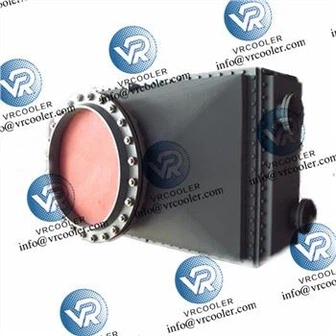
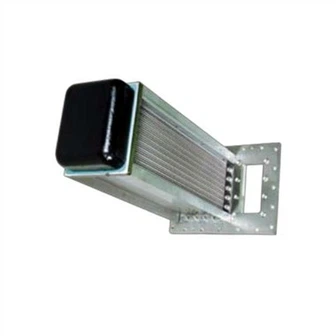
The lubricating oil cooler circulates heated oil via a set of tubes surrounded by cold air or water. The heat is dispersed to the surrounding medium as the heated oil passes through the tubes, cooling the oil. The cooled oil is then cycled back into the engine or machinery to keep the moving parts lubricated and protected.
Lubricating oil coolers are frequently used in high-performance engines utilized in aircraft, race cars, and heavy-duty industrial machines. They are also employed in several automotive applications, including as diesel engines and vehicles that operate in harsh environments. A lubricating oil cooler can help to increase the life of an engine or machinery while also improving its overall performance.
What are the advantages of using a lubricating oil cooler?
A lubricating oil cooler has the following advantages:
Improved lubrication: By lowering the temperature of the lubricating oil, a lubricating oil cooler aids in the preservation of the oil's viscosity, which is required for effective lubrication of moving parts. As a result, friction and wear on engine components are reduced, resulting in greater engine longevity.
Increased engine efficiency: When engine oil becomes too hot, it loses its ability to cool and lubricate the engine components. This can result in higher fuel consumption and lower engine performance. A lubricating oil cooler maintains the engine's efficiency and performance by cooling the oil.
High engine temperatures can cause oil to break down and lose its effectiveness over time, resulting in premature engine wear and failure. A lubricating oil cooler can help to extend the life of the engine and its components by keeping the oil temperature within a safe range.
Improved engine reliability: By lowering the risk of engine overheating and damage, a lubricating oil cooler can help to improve the engine's overall reliability. This is especially critical in high-performance or heavy-duty applications, where engine failure can be disastrous.
Reduced maintenance costs: A lubricating oil cooler can help to avoid engine wear and damage, reducing the need for costly repairs and maintenance. This can lead to cheaper overall maintenance costs and better equipment uptime.

What function does the lubricating oil cooler serve in the steam turbine?
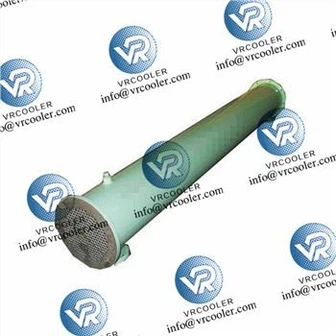
A lube oil cooler is used in a steam turbine to cool and regulate the temperature of the lubricating oil needed to lubricate and protect the turbine's bearings and other moving parts. The lubricating oil cooler is usually a shell and tube heat exchanger designed to remove excess heat from the oil caused by friction and movement of the turbine's components.
The lubricating oil cooler serves to keep the oil temperature within a certain range, often between 40°C and 60°C, so that the oil may efficiently lubricate the turbine's components. If the oil temperature rises too high, it can cause oil breakdown and poor lubrication, resulting in increased wear and damage to the turbine's components. If the oil temperature is too low, the oil will become overly viscous, reducing the efficiency of the lubricating system.
The lube oil cooler, in addition to cooling the lubricating oil, also serves to eliminate any impurities or debris that may be present in the oil, hence maintaining the cleanliness and effectiveness of the lubrication system. Overall, the lube oil cooler is crucial in preserving the steam turbine's efficiency, reliability, and durability by ensuring that the lubricating oil is appropriately cooled and maintained.