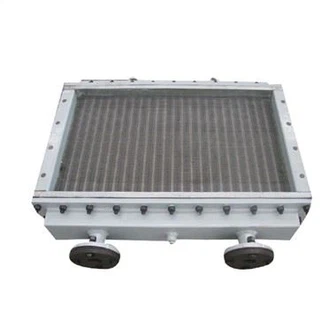
What Is The Function Of Lube Oil Coolers?
What is the function of lube oil coolers?
The function of lube oil coolers is to cool and maintain the temperature of the lubricating oil in machinery such as engines, compressors, and turbines. Lubricating oil is used to reduce friction and wear between moving parts and to carry away heat generated by the machinery. However, high temperatures can cause the oil to break down and become less effective at protecting the machinery, which can lead to premature wear and failure.
Lube oil coolers work by passing the hot lubricating oil through a series of tubes that are surrounded by cooler air or water. As the hot oil flows through the tubes, the heat is transferred to the surrounding medium, which cools the oil. The cooled oil is then circulated back through the machinery to continue lubricating and protecting the moving parts.
The function of lube oil coolers is critical for the efficient operation and longevity of machinery. By maintaining the oil temperature within a safe range, lube oil coolers help to ensure that the oil remains effective at protecting the machinery and reducing wear. This, in turn, helps to extend the life of the machinery and reduce the need for costly repairs and downtime.

How lube oil coolers work?
Lube oil coolers work by transferring heat from the lubricating oil to a cooling medium, typically air or water. The basic operation of a lube oil cooler can be broken down into the following steps:
Hot oil enters the lube oil cooler: Hot lubricating oil from the machinery enters the lube oil cooler through an inlet.
Oil flows through the tubes: The hot oil flows through a series of tubes that are arranged in a heat exchanger. The tubes are typically made of a high thermal conductivity material such as copper, aluminum, or stainless steel.
Heat is transferred to the cooling medium: As the hot oil flows through the tubes, heat is transferred to the walls of the tubes and then to the surrounding cooling medium, which can be air or water.
Cooled oil exits the lube oil cooler: The cooled lubricating oil exits the lube oil cooler through an outlet and returns to the machinery to continue lubricating and protecting the moving parts.
The efficiency of a lube oil cooler is influenced by several factors, including the flow rate of the oil and cooling medium, the temperature difference between the oil and cooling medium, and the surface area of the heat exchanger. Lube oil coolers can be designed as a shell and tube, plate and frame, or other types of heat exchangers, depending on the specific application and requirements.