Water-Cooled Heat Exchangers For Large Transformers
Water-Cooled Heat Exchangers For Large Transformers
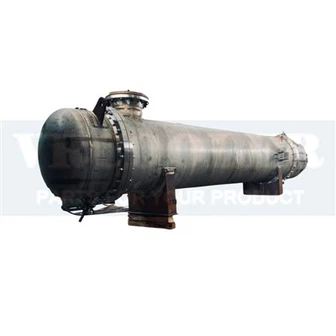
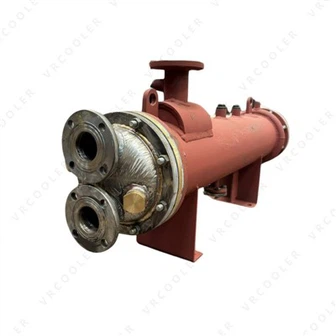
Large transformers use forced oil circulation by electric pumps, aided by external fans or water-cooled heat exchangers.
Function
Cooling: The main purpose of forced oil circulation is to cool the transformer's core and windings. As electrical current flows through the transformer, it generates heat. The oil absorbs this heat and circulates it away from the active components.
Heat Dissipation: The heated oil is then cooled through external fans or water-cooled heat exchangers, allowing it to return to the transformer at a lower temperature.
Design
Components
Transformer Oil: A dielectric fluid that not only cools but also insulates the electrical components.
Oil Pumps: Electric pumps circulate the oil through the system, ensuring consistent flow and efficient heat transfer.
Heat Exchangers:
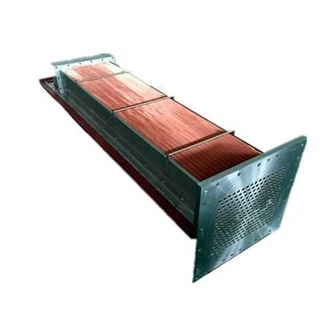
Air-Cooled: These use fans to blow air over the coils or plates through which the oil flows, dissipating heat to the atmosphere.
Water-Cooled: These utilize water to absorb heat from the oil, often more efficient in high-load scenarios.
Piping System: Designed to facilitate the movement of oil between the transformer and heat exchangers while minimizing pressure drops.
Applications
Power Generation: Commonly used in substations and power plants where large transformers are required.
Industrial Facilities: Employed in various industrial settings where large electrical loads are present.
Advantages
Enhanced Cooling Efficiency: Forced circulation provides better heat management compared to natural convection.
Extended Transformer Life: Effective cooling helps prevent overheating, which can extend the lifespan of the transformer.
Improved Performance: Maintaining optimal operating temperatures enhances the transformer's efficiency and reliability.