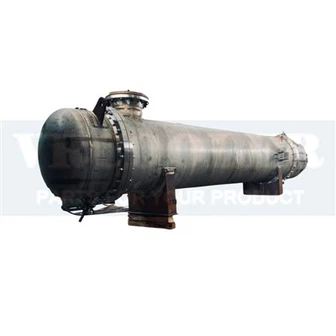
Waste Heat Recovery For Agricultural Greenhouses
1, Core application scenarios for greenhouse waste heat recovery
1. Greenhouse heating (core requirement)
Purpose: To recover waste heat to provide winter heating, nighttime insulation, and seedling heating for greenhouses, maintain suitable growth temperatures for crops (15 ℃~30 ℃), and solve the problem of low-temperature freezing damage in northern winter.
Suitable crops: vegetables (tomatoes, cucumbers, lettuce), flowers (roses, lilies), seedlings, strawberries, edible fungi, etc.
Advantages: It replaces traditional coal-fired boilers, reduces heating costs by 50% to 80%, and has no exhaust emissions, meeting environmental protection requirements.
2. Greenhouse dehumidification and air conditioning
Purpose: To use waste heat to heat air, reduce greenhouse relative humidity (controlled at 60%~80%), reduce the occurrence of diseases (such as downy mildew and gray mold), and improve ventilation and air exchange efficiency.
Solution: Heating fresh air with waste heat → sending it into the greenhouse → discharging high humidity air, achieving the integration of "heating+dehumidification".
3. Soil heating and nutrient solution heating
Soil heating: Waste heat is heated in the root zone through underfloor heating pipes (buried in the soil), increasing the ground temperature (18 ℃~22 ℃) and promoting crop root growth, especially suitable for seedling cultivation and strawberry planting.
Nutrient solution heating: In hydroponic/mist culture greenhouses, residual heat is used to heat the nutrient solution, maintain its temperature (20 ℃~25 ℃), and improve nutrient absorption efficiency.
4. Increase application of CO ₂ (photosynthetic efficiency)
Usage: When recovering waste heat from boiler/generator flue gas, it synchronously collects CO ₂ (purified) in the flue gas and passes it into the greenhouse as gas fertilizer to improve crop photosynthesis efficiency and increase yield by 15% to 30%.
Adaptation scenario: Combining with gas boilers, biogas generators, and biomass boiler waste heat recovery to achieve dual benefits of "heating+CO ₂ increase in application".
5. Greenhouse hot water supply
Purpose: Use waste heat to heat greenhouse irrigation water, cleaning water, and employee domestic hot water, meeting the daily hot water needs of greenhouse operations and reducing additional energy consumption.
2, Mainstream waste heat recovery technology and greenhouse adaptation plan
1. Industrial waste heat recovery (the most economical and commonly used)
Source of heat source:
Power plant/thermal power plant circulating water waste heat (40 ℃~60 ℃)
Low temperature process wastewater/waste gas from chemical and food factories (30 ℃~80 ℃)
Waste heat from dry coolers/cooling towers in data centers and industrial parks (35 ℃~50 ℃)
Technical solution:
Water source heat pump: Elevate low-grade industrial waste heat (30 ℃~50 ℃) to 45 ℃~60 ℃ for greenhouse floor heating and fan coil heating.
Plate heat exchanger: directly exchanges industrial high-temperature waste heat (60 ℃~90 ℃) with greenhouse circulating water for heating.
Advantages: The cost of waste heat is extremely low, even free, and the investment return period is 1-3 years.
2. Agricultural waste heat recovery (closed-loop utilization)
Source of heat source:
Greenhouse exhaust waste heat (hot air discharged during summer cooling and warm air discharged during winter ventilation)
Waste heat from livestock and poultry breeding facilities (warm exhaust gas emitted from chicken and pig houses)
Waste heat from biogas digesters/biomass boilers
Technical solution:
Total heat/sensible heat exchanger: recovers the heat from greenhouse exhaust, preheats the fresh air entering the greenhouse in winter, and reduces the energy consumption of fresh air heating.
Waste heat recovery of biogas generator: The cylinder liner water and flue gas waste heat generated by biogas power generation are used for greenhouse heating and CO ₂ addition.
Advantages: Achieving internal energy circulation in agriculture, zero external energy procurement, suitable for ecological agricultural parks.
3. Solar energy+waste heat complementarity (zero carbon solution)
Solution: A solar collector (vacuum tube/flat plate type) collects solar energy and combines it with industrial/agricultural waste heat to serve as a dual heat source for greenhouse heating. The waste heat system is activated on cloudy/nighttime days, and solar energy is prioritized on sunny days.
Advantages: Further reduce energy consumption, achieve "zero carbon heating", and comply with green agriculture standards.
4. Waste heat recovery from flue gas (heating+CO ₂ addition)
Solution: After combustion in a gas/biomass boiler, the flue gas is first heated by a waste heat exchanger to circulate water in the greenhouse, and then purified by a purification device to remove dust and sulfides, and CO ₂ is introduced into the greenhouse.
Advantages: One fuel produces a dual benefit of "heat+CO ₂", resulting in increased crop yields and energy-saving benefits.

3, Core advantages and benefits
1. Economic benefits
Significant reduction in heating costs: Compared to coal-fired/gas-fired heating, waste heat recovery can save 50% to 90% of fuel costs.
Crop yield increase and quality improvement: Stable temperature and humidity+increased application of CO ₂ can increase crop yield by 15% to 40%, improve quality (such as better taste and color), and increase selling price.
Fast investment return: The investment payback period for large-scale greenhouses (over 10 acres) is usually 1-3 years, with significant long-term returns.
2. Environmental Protection and Social Benefits
Zero pollution emissions: replacing coal-fired boilers, with no smoke, sulfur dioxide, or nitrogen oxide emissions, in compliance with environmental policies.
Water conservation and energy saving: Waste heat recovery is mostly a closed cycle, without water resource consumption, while reducing the use of fossil fuels and supporting the "dual carbon" goal.
Enhancing agricultural risk resistance: getting rid of dependence on traditional energy, responding to rising energy prices, and ensuring stable greenhouse production.
3. Technical adaptability
Wide temperature range adaptation: It can recover low-temperature waste heat from 30 ℃ to 90 ℃, meeting different heating needs of greenhouses.
Flexible installation: The equipment can be installed outdoors/indoors, and the pipeline laying is flexible, suitable for various types of greenhouses such as glass greenhouses, solar panel greenhouses, and connected greenhouses.
Intelligent control: Combined with the Internet of Things system, it automatically adjusts temperature, humidity, and CO ₂ concentration to achieve precision agricultural management.