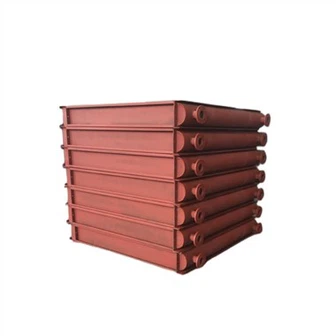
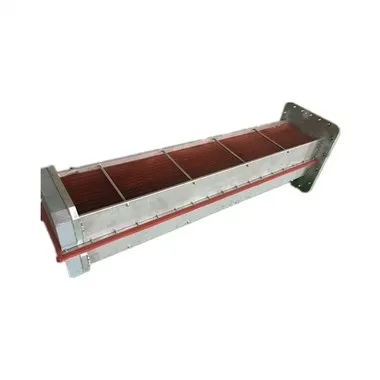
High And Low Temperature Dry Coolers Used For Clean Process Cooling
一, Core application scenarios (in the field of clean technology)
1. Electronic semiconductor industry (high cleanliness is essential)
Wafer manufacturing/chip production: Process cooling water (PCW) and equipment cavity cooling medium for processes such as photolithography, etching, and ion implantation are used to avoid floating water, algae, and impurity pollution from traditional cooling towers, ensuring that the wafer surface is particle free and ion free.
Panel/Photovoltaic Manufacturing: Cooling of developing and etching solutions in the production of LCD panels and photovoltaic cells, as well as temperature control of circulating cooling solutions for equipment, suitable for cleanroom requirements ranging from Class 100 to Class 10000.
Electronic component packaging: Cooling of packaging equipment molds and temperature control of testing equipment to prevent leakage of cooling medium or entry of impurities, which may affect the accuracy and yield of components.
2. Pharmaceutical and Biomedical Industries (Aseptic/Cross contamination free)
Aseptic preparation production: Purified water cooling, fermentation tank temperature control, freeze-drying machine condenser cooling in the production of injections, freeze-dried powder injections, and biological vaccines, closed cycle to prevent external bacteria and dust from entering the cooling circuit, in compliance with GMP clean room standards.
Laboratory/R&D Center: High precision experimental equipment, constant temperature incubator, cooling of bioreactors, temperature control accuracy of ± 1 ℃, and no distilled water, no odor, and no damage to the clean environment of the laboratory.
Medical device production: Process cooling for the production of disposable syringes, infusion sets, and other consumables, with no contact between the cooling medium and the product to avoid chemical contamination.
3. Food and beverage industry (sanitary cooling)
Dairy/beverage production: Milk pasteurization, juice concentration, beer fermentation process water cooling, fermentation liquid temperature control, closed system to prevent indirect contact between cooling water and food raw materials, avoid microbial contamination, and comply with food safety standards.
Baking/frozen food: Cooling of baking equipment and refrigerant cooling of frozen tunnels, suitable for low temperature conditions (-20 ℃~0 ℃), without floating water or scaling, and does not affect workshop hygiene.

4. Fine chemical/new materials industry (without impurity interference)
High end paint/ink production: reaction kettle cooling, material crystallization temperature control, closed cycle cooling medium to prevent impurities from entering and causing a decrease in product purity.
Lithium batteries/new energy materials: production of positive and negative electrode materials, cooling of battery formation processes, suitable for switching between high temperature (60 ℃~80 ℃) and low temperature (-10 ℃~0 ℃), without dust or corrosion, ensuring material performance.
5.No secondary pollution, suitable for clean workshop environment
The equipment operates without floating water, odor, or dust generation. The fan can be equipped with high-efficiency filter cotton to further filter impurities in the incoming air without damaging the cleanliness of the workshop; At the same time, there is no noise or water mist interference from the cooling tower, improving the comfort of the workshop environment.
二, Key points for selection (specifically for clean processes)
Medium adaptation: Select the material of the heat exchange tube according to the process medium (purified water, ethylene glycol, thermal oil, etc.), and prioritize 316L stainless steel for purified water/sterile medium.
Cleanliness level matching: 100/1000 level cleanrooms require a fully stainless steel structure with efficient filtering of incoming air, while ordinary cleanrooms can choose spray anti-corrosion and initial filtration.
Temperature control accuracy: High precision processes (such as semiconductors and pharmaceuticals) require the use of variable frequency fans and intelligent temperature control systems to achieve precise temperature control.
Installation requirements: Can be installed indoors/outdoors, indoor installation requires proper ventilation and sound insulation to avoid affecting workshop cleanliness and noise standards