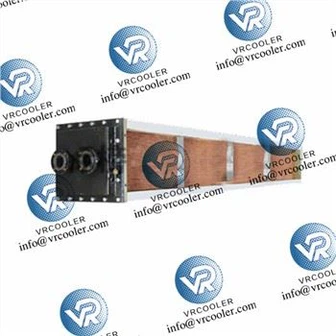
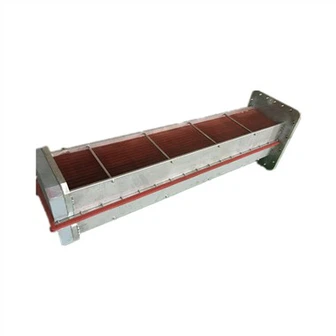
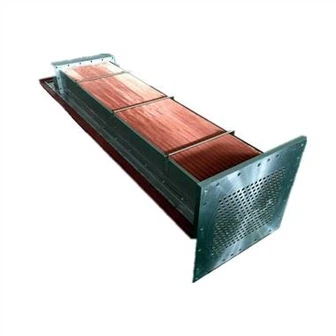
The Main Feedwater Cooling System Of A Nuclear Power Plant Is A Cooling Barrier For Nuclear Safety
The core positioning and functional value of the main feedwater cooling system
The energy conversion process of a nuclear power plant essentially involves heating the coolant in the primary circuit through the thermal energy generated by nuclear fission, and then transferring the thermal energy to the main feedwater in the secondary circuit through a steam generator, converting the feedwater into high-pressure steam to drive the steam turbine for power generation. The core function of the main feedwater cooling system is to provide a stable and controllable cooling medium for this cycle, while achieving reasonable heat dissipation and recovery. Its functional value is mainly reflected in three aspects.
Firstly, ensure the cooling of the reactor core. The core of a nuclear reactor continuously releases a large amount of heat energy during nuclear fission. If it cannot be exported in a timely manner, it will lead to a sudden rise in core temperature and cause serious safety accidents. The main feedwater cooling system continuously delivers cooling feedwater to the steam generator, absorbs heat from the primary coolant, and ensures that the core temperature is maintained within a safe threshold, forming an important "cooling barrier" for reactor safety. According to IAEA statistics, approximately 12% of unplanned shutdowns in nuclear power plants are related to feedwater system failures, which indirectly confirms the critical safety value of the main feedwater cooling system.
Secondly, maintain the stability of the secondary loop cycle. The main feedwater cooling system needs to accurately adjust the feedwater flow rate and temperature according to changes in reactor power, ensuring stable steam parameters at the outlet of the steam generator and providing a continuous and qualified power source for the turbine. During low-power operation of the reactor, the flow rate is manually adjusted by the main feedwater bypass control valve; During high-power operation, the main feedwater regulating valve automatically intervenes and dynamically adjusts according to the thermal power of the steam generator, ensuring the continuity and stability of the secondary loop cycle.
Finally, achieve efficient utilization of energy. The main feedwater cooling system will preheat the feedwater during the cooling process, recover the waste heat after steam condensation, reduce energy loss, and improve the thermal efficiency of the nuclear power unit. At the same time, by accurately controlling the water supply parameters, reducing equipment wear and energy consumption, and helping nuclear power units achieve long-term economic operation, it meets the low-carbon and efficient energy development needs under the "dual carbon" strategy.
The composition architecture and working principle of the main feedwater cooling system
The main feedwater cooling system of a nuclear power plant is an integrated and high-precision complex system, mainly composed of the main feedwater pump, main feedwater regulating valve, feedwater preheating equipment, pipeline system, monitoring and control system, and auxiliary equipment. The components work together to form a closed-loop cooling cycle, and its working principle revolves around the three core links of "feedwater transportation heat exchange parameter adjustment".
Core components and their functions
- Main feedwater pump: As the "power heart" of the system, it is responsible for delivering high-purity feedwater processed by the deaerator to the steam generator at high pressure. Its operating conditions are extremely harsh, requiring long-term continuous operation in high temperature (inlet water temperature of about 220 ℃) and high pressure (outlet pressure can reach 8-12 MPa) environments. The design life is usually not less than 40 years, and extremely high requirements are placed on material corrosion resistance and structural sealing. At present, the mainstream in China adopts high-speed centrifugal main feedwater pumps, and some advanced units have adopted integrated solutions of variable frequency speed regulation and intelligent monitoring. Some units are also equipped with steam driven feedwater pumps to ensure that auxiliary steam can still be relied on to maintain operation and improve system reliability in the event of a power outage in the entire plant. The modular system of the main feedwater pump group developed by East China Electric Power Design Institute effectively improves the system's operational reliability and design efficiency by integrating the pre pump, motor, hydraulic coupler, and main pump.
- Main feedwater control valve: the "flow center" of the system, working in parallel with the main feedwater bypass control valve, responsible for accurately adjusting the feedwater flow rate based on changes in reactor power and steam generator operation status. Its performance is directly related to the stability of the water supply system. If a fault occurs, it will cause fluctuations in the main feedwater flow rate, posing a threat to the safety of the unit. Common faults include worn and broken threads connecting the valve stem and valve core, collision wear on the inner wall of the valve cage component, abnormal feedback of locator signals, etc., which need to be solved through structural optimization and material upgrading.
Feedwater preheating equipment: mainly includes high-pressure heaters, which are used to preheat the main feedwater using the waste heat from steam turbine extraction, increase the feedwater temperature, reduce heat loss in the steam generator, and reduce equipment thermal stress, thereby extending the system's service life. After preheating, the feedwater enters the steam generator and can more efficiently absorb heat from the primary circuit, improving steam generation efficiency.
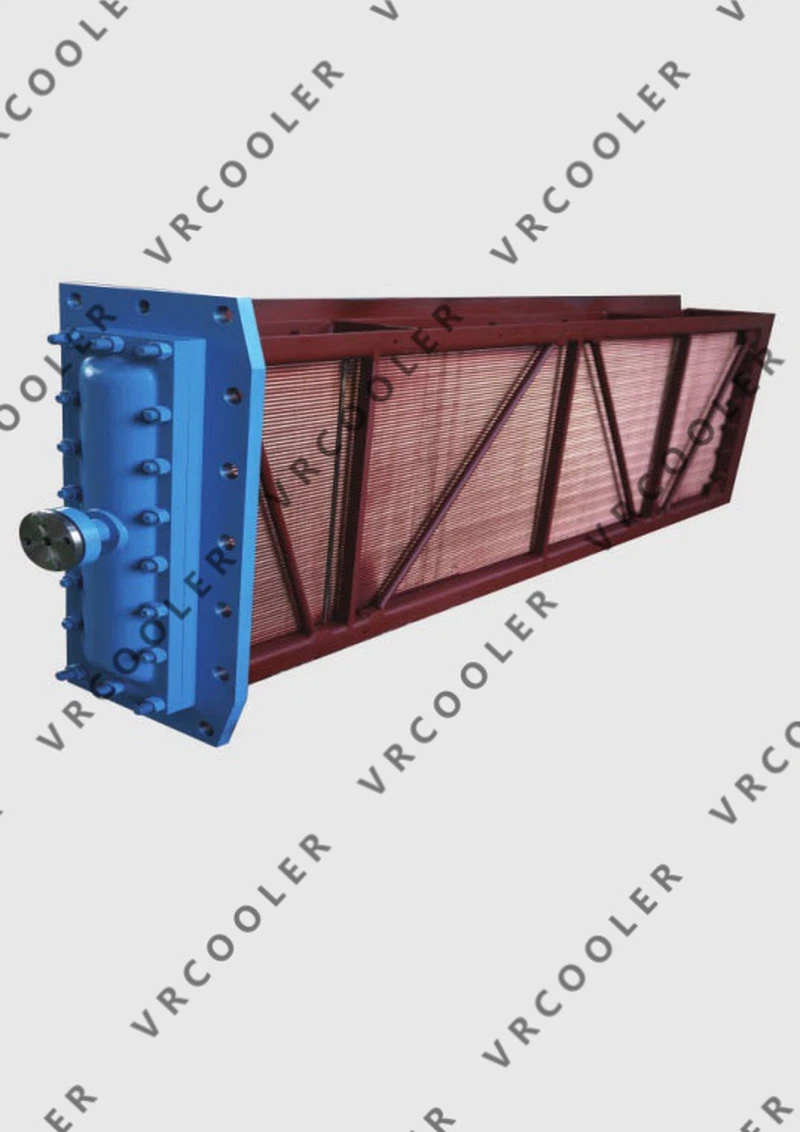
Monitoring and Control System: Composed of various sensors, controllers, and actuators, it monitors key parameters such as water flow rate, temperature, and pressure in real-time, and achieves precise parameter adjustment through an automated control system. For example, by monitoring the water level and temperature of the steam generator, the speed of the main feedwater pump and the opening of the main feedwater control valve are automatically adjusted to ensure that the system operating parameters are always within a safe range, while achieving real-time warning and emergency response of faults.
- Workflow analysis
The working process of the main feedwater cooling system can be divided into four key steps: the first step is that the deaerator performs deaeration treatment on the feedwater, removing oxygen and other harmful gases from the water, preventing pipeline and equipment corrosion, and ensuring that the feedwater purity meets nuclear grade standards; The second step is to increase the inlet pressure of the main pump in advance to prevent cavitation. Then, the main feedwater pump pressurizes the treated feedwater and delivers it to the high-pressure heater; Step three, the high-pressure heater uses the waste heat extracted from the steam turbine to preheat the feedwater and raise the feedwater temperature to the specified range; Step four, the preheated main feedwater is transported to the steam generator to absorb the heat from the primary coolant and convert it into high-pressure steam. The cooled feedwater then flows back through the circulation system to complete the cooling cycle. Throughout the entire process, the monitoring and control system is fully involved, dynamically adjusting the operating parameters of each component based on changes in reactor power and system operation status to ensure stable, safe, and efficient cycling.
Safety guarantee and fault handling of the main feedwater cooling system
The safe operation of the main feedwater cooling system in nuclear power plants is an important guarantee for nuclear power safety. Due to the harsh operating environment of the system, which is exposed to high temperature, high pressure, and high radiation for a long time, it is prone to component wear, leakage, control abnormalities, and other faults. Therefore, it is necessary to establish a sound safety guarantee system to achieve early detection and disposal of faults.
- Security measures
Material and structural optimization: The core components are made of high-strength, corrosion-resistant, and radiation resistant special materials. For example, the impeller and shaft seal of the main feedwater pump are made of ultra-low carbon austenitic stainless steel or duplex stainless steel. The positioning pin of the main feedwater regulating valve is made of high-strength Inconel750 material, replacing traditional low strength materials, to improve the wear resistance and service life of the components. At the same time, optimize the structural design of valve cage components and valve cores, adopt small hole windows and optimize their arrangement according to the flow curve, improve regulation accuracy and flow capacity, and reduce component vibration and wear.
Dual redundancy design: The key equipment of the system adopts a redundant configuration of "one for use and one for backup" or "multiple for use and one for backup". For example, the main feedwater pump is usually equipped with 2-4 units and corresponding backup pumps to ensure that when one equipment fails, the backup equipment can be quickly put into operation to avoid system shutdown. At the same time, the control system adopts a dual redundancy design to prevent the system from losing control due to the failure of a single control unit.
Intelligent monitoring and early warning: With the help of digital twin, AI predictive maintenance and other technologies, online status monitoring of key equipment such as main feedwater pumps and regulating valves is carried out. Through vibration spectrum analysis, temperature field reconstruction and other methods, abnormal equipment operation is captured in real time, and fault warnings are issued in advance. After adopting an intelligent monitoring system, the average trouble free operation time of the main feedwater pump has been increased from 18000 hours for traditional models to over 32000 hours, significantly reducing the risk of unplanned shutdowns.
Technological upgrade and industry development trend of main feedwater cooling system
With the continuous iteration of nuclear power technology and the deepening of the "dual carbon" strategy, the main feedwater cooling system of nuclear power plants is developing towards intelligence, efficiency, and localization. Technological upgrading and industrial upgrading are advancing synchronously, providing stronger support for the safe and efficient operation of nuclear power.
- Technical upgrade direction
Intelligent upgrade: Integrating technologies such as the Internet of Things, big data, and artificial intelligence to build a full lifecycle intelligent management system, achieving real-time monitoring of system operating parameters, accurate fault diagnosis, and intelligent operation and maintenance scheduling. For example, by using digital twin technology to construct a virtual model of the main feedwater cooling system, simulating the system's operating status, predicting fault risks in advance, optimizing operation and maintenance plans, and reducing operation and maintenance costs.
Efficient optimization: By optimizing system processes, improving equipment structure, and enhancing system thermal efficiency and operational stability. For example, optimizing the impeller design of the main feedwater pump to improve conveying efficiency and reduce energy consumption; Optimize the preheating process of water supply, fully recover waste heat, and further improve energy utilization efficiency. At the same time, frequency conversion speed regulation technology is adopted to dynamically adjust the speed of the main feedwater pump according to the reactor power, achieving energy-saving operation.
Promotion of leak free technology: Adopting leak free pump types such as magnetic pumps and shielded pumps to replace traditional shaft seal pumps, reducing the risk of water leakage, improving system safety and environmental protection, while reducing equipment maintenance costs, and adapting to the harsh operating environment requirements of nuclear power plants.
- Industry Development Trends
With the acceleration of domestic nuclear power project approvals and the steady increase in the number of units under construction, the market demand for equipment related to the main feedwater cooling system continues to be released. According to estimates, from 2026 to 2030, it is expected that 30-40 new approved nuclear power units will be added in China, corresponding to a demand for approximately 120-160 new nuclear feedwater pumps. The market size will steadily increase. The localization process continues to accelerate, and the localization rate of main pumps has exceeded 90%. State owned enterprises such as Shanghai Electric, Dongfang Electric, and Harbin Electric Group dominate the domestic market. With a complete manufacturing system and engineering experience, they are gradually achieving domestic substitution of high-end products and reducing dependence on imported equipment.
Meanwhile, with the advancement of small modular reactors (SMRs) and fourth generation nuclear power technology demonstration projects, the demand for new, efficient, and compact main feedwater cooling equipment will gradually emerge, opening up new growth opportunities for the industry. In addition, in the context of the accelerated export of nuclear power under the "the Belt and Road Initiative", the domestic main feed water cooling system related equipment will gradually move towards the international market, improving the global competitiveness of China's nuclear power equipment [6].
The main feedwater cooling system of a nuclear power plant, as a "cooling barrier" for nuclear safety, is the core hub of the nuclear power secondary loop cycle. Its stable operation is directly related to the safe, efficient, and low-carbon operation of the nuclear power unit. From optimizing the structure of core components to upgrading the intelligence of the system, from precise fault handling to promoting domestic substitution, every technological breakthrough in the main feedwater cooling system has laid a solid foundation for nuclear power safety.
In the context of energy transition, with the continuous development of nuclear power technology, the main feedwater cooling system will continue to move towards a more intelligent, efficient, and safe direction, constantly breaking through key technological bottlenecks, improving the safety guarantee system, providing strong support for the high-quality development of China's nuclear power industry, achieving the "dual carbon" goal, and safeguarding the safe transportation of clean nuclear power at every level.