Recover Waste Heat Generated By Air Compressor Systems To Heat Low-Temperature Media
Recover Waste Heat Generated by Air Compressor Systems to Heat Low-Temperature Media
Recovering waste heat from air compressor systems to heat low-temperature media represents a highly efficient energy-saving solution. It converts approximately 75%-90% of the electrical energy consumed during compressor operation into usable thermal energy, significantly reducing overall energy consumption and heating costs.
Core Principle and System Configuration
During air compressor operation, substantial waste heat is generated from motor work and compressed air processes. This heat is typically discharged directly through the cooling system. The waste heat recovery system transfers this heat to low-temperature media (such as chilled water or cold air) via heat exchange, enabling energy reuse.
The system primarily consists of three components:
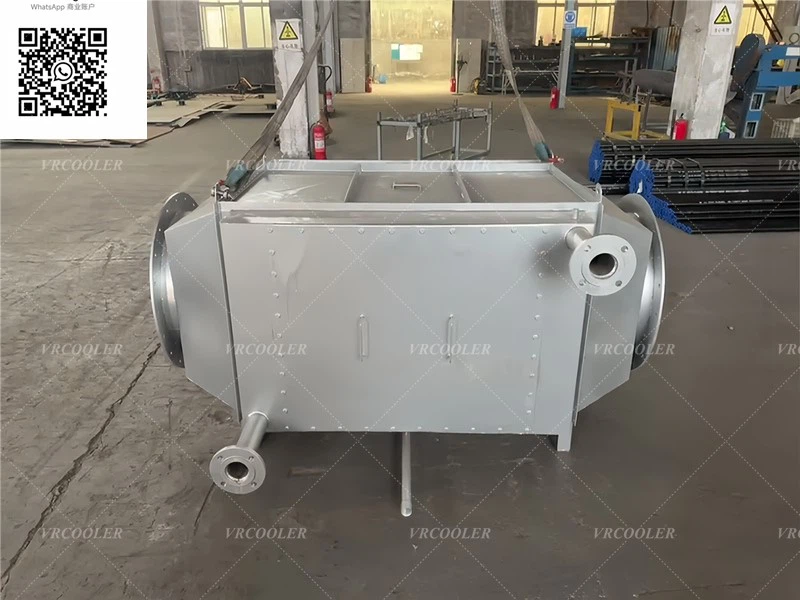
Waste Heat Collection Module: Installed on the compressor's lubrication oil circuit, compressed air piping, or cooler, heat exchangers (e.g., shell-and-tube or plate-type) absorb heat generated by the compressor.
Heat Transfer Module: Utilizing circulation pumps or fans, the heat-absorbed carrier medium (e.g., antifreeze, water) is transported to heating terminals.
Heating Terminal Module: At the terminal heat exchanger, the heat carrier transfers heat to the low-temperature medium, completing the heating process (e.g., heating domestic water, process water, or workshop heating air).
Key Advantages
High Energy Efficiency: Directly recovers waste heat from air compressors without consuming additional electricity or fuel, reducing heating system energy consumption by 100%. Overall energy savings reach 15%-30%.
Low Operating Costs: The system operates without combustion, requiring only minimal energy for circulation pumps and low maintenance costs. It produces zero carbon emissions, meeting environmental requirements.
No Impact on Air Compressor Performance: Waste heat recovery is achieved through an independent heat exchanger, preserving the original cooling system and operating parameters of the air compressor. This prevents overheating or efficiency degradation.
Application Scenarios
Domestic/Industrial Water Heating: Heats low-temperature water for employee hot water, food processing, or cleaning applications, replacing electric water heaters or gas boilers.
Workshop Heating: Utilizes recovered waste heat to warm workshop air during winter, substituting traditional radiators or heat guns.
Process Auxiliary Heating: Supplies low-temperature heat sources for production stages requiring warmth (e.g., material preheating, insulation), reducing process energy consumption.