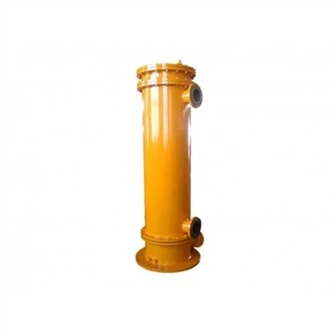
Marine Oil Cooler Used To Cool The Oil in A Compressor By Seawater
A marine oil cooler is a heat exchange device used to cool the oil in a compressor by utilizing seawater as the cooling medium. In marine and offshore applications, such as on ships, oil coolers are crucial components for maintaining the optimal operating temperature of equipment, especially compressors that generate a significant amount of heat during their operation.

Here's how a marine oil cooler works:
1. Oil Circulation The oil cooler is connected to the compressor's lubrication system. Hot oil from the compressor flows into the oil cooler unit.
2. Heat Exchange: Within the oil cooler, the hot oil flows through a series of tubes or channels. These tubes are designed to efficiently transfer heat from the oil to the surrounding seawater. The seawater is allowed to flow around the tubes or through a separate set of tubes, depending on the design.
3. Cooling Process: As the hot oil comes into contact with the cooler tube surfaces, heat is transferred from the oil to the seawater due to the temperature difference. This causes the oil temperature to decrease.
4. Seawater Flow: Seawater is typically drawn from the surrounding marine environment and circulated through the oil cooler using a separate water pump or by utilizing the ship's onboard seawater circulation system. The seawater absorbs the heat from the oil and gets warmer in the process.
5. Discharge of Heated Seawater: The heated seawater is then discharged back into the sea. It's important to note that this discharge must adhere to environmental regulations to prevent any negative impact on marine ecosystems.
The use of a marine oil cooler in this setup helps maintain the compressor's oil temperature within safe and efficient operating limits, preventing overheating and potential damage to the compressor components. By using seawater as the cooling medium, the system takes advantage of the ocean's cooling capacity to dissipate the heat generated by the compressor's operation.
Proper maintenance and monitoring are essential for ensuring the effectiveness of the marine oil cooler and preventing issues such as fouling due to marine growth, which can reduce its efficiency over time.