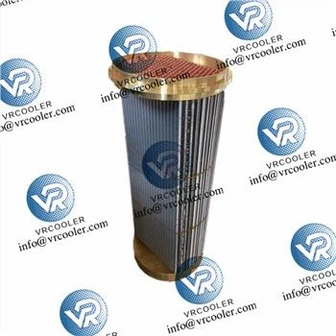
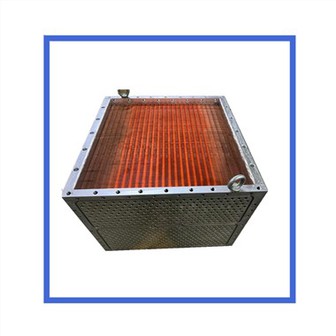
Marine Engine Cooling System HT LT Circuit
Modern 2‑stroke /4‑stroke marine main engines use two separate closed fresh‑water glycol circuits: HT (High‑Temperature) circuit and LT (Low‑Temperature) circuit. Neither circuit lets seawater touch engine components directly; seawater only cools the LT loop via the central cooler.
HT Circuit (Jacket Water Circuit)
Operating temperature: 75‑88 °C (typical set‑point ~82‑85 °C) Main cooled components:
Cylinder liners, cylinder heads, exhaust valves, engine jacket
Some two‑stage CAC designs: high‑temperature first‑stage charge‑air cooling
Function:
Keep hot combustion‑zone parts at stable working temperature.
Avoid cold corrosion: if jacket water runs too cold, sulphuric acid condenses from heavy‑fuel exhaust and attacks liners.
Prevent local boiling / cavitation if temperature gets too high.
Flow path: HT pump → engine cylinder jackets & heads → thermostatic 3‑way valve. Part of water recirculates back to pump for fast warm‑up; excess heat transfers to LT circuit via heat exchanger / mixing valve.
LT Circuit (Low‑Temperature Fresh Water)
Operating temperature: 32‑42 °C inlet to consumers Main cooled components:
Charge air cooler (second‑stage / full‑LT CAC)
Lube oil cooler
Turbocharger bearings, generator sets, compressors, auxiliaries.
Function: Supply cold treated fresh water for components that need much lower temperature than jacket water, especially the charge‑air cooler to get compressed intake air down to 45‑55 °C before cylinders.
Flow path: LT pump → charge air cooler + lube oil cooler + auxiliaries → central cooler (seawater‑fed plate/shell‑tube heat exchanger). Seawater removes heat from LT fresh water; cooled fresh‑water returns to LT pump. 3‑way thermostat mixes bypass flow to stabilise LT temperature regardless of seawater temperature.
| Item | HT Circuit | LT Circuit |
|---|---|---|
| Medium | Closed treated fresh‑water / glycol | Closed treated fresh‑water / glycol |
| Typical working temp | 75‑88 °C | 32‑42 °C |
| Primary loads | Cylinder jacket, heads, exhaust valves | Charge air cooler, lube oil cooler, auxiliaries |
| Heat rejection | Rejects heat into LT circuit | Rejects total system heat to seawater via central cooler |
| Risk focus | Cold corrosion at low load | Fouling on CAC / lube oil cooler |
How they work together
HT loop absorbs combustion heat from engine block and heads.
HT excess heat is dumped into the LT circuit (heat‑exchanger or controlled mixing).
LT circuit carries all combined heat (from HT + CAC + lube oil) to the central cooler.
Seawater passes through central cooler, takes heat away and discharges overboard.
Cooled LT fresh‑water loops back to CAC and other consumers.
Common practical issues
LT water too warm: charge‑air outlet temperature rises → higher NOₓ, engine derate. Often caused by dirty central cooler, sea‑water filter blockage.
HT temperature too low at low load: risk of sulphuric acid cold corrosion on cylinder liners.
Charge‑air cooler fouling (air‑side soot/oil) increases heat load on LT circuit.