Marine Charge Air Cooler: How It Works
A marine charge air cooler (CAC, also called intercooler) is a heat exchanger fitted between turbocharger and engine cylinders on 2‑stroke & 4‑stroke marine diesel engines. Its core job: cool down hot compressed turbocharged air before it enters engine combustion chambers.
-Hot compressed air out of turbocharger
Turbocharger compresses intake air to boost engine power. Compression raises air temperature sharply, often 180 °C ~ 230 °C. Hot air has lower density; less oxygen for combustion, higher NOₓ emissions and engine thermal load.
-Heat transfer inside charge air cooler
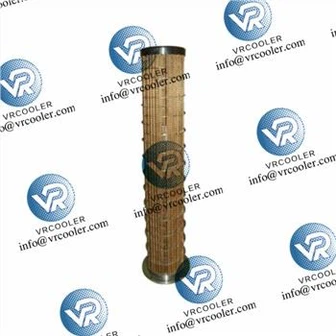
Hot charge air flows across finned tube bundles. Seawater / fresh cooling water runs inside the tubes. Heat transfers from hot air → fins → tube wall → cooling medium. Air temperature drops typically to 45‑55 °C before engine inlet.
-Dense cool air feeds cylinders
Cooled air becomes denser, supplying more oxygen for fuel combustion.
Two cooling circuit types for marine CAC
1. Seawater‑cooled (direct)
Cooling medium: seawater inside tubes, usually 90‑10 cupronickel tubes.
> Pros: strong cooling capacity.
> Cons: risk of corrosion, erosion‑corrosion, fouling; requires regular cleaning.
2. Fresh water cooled (indirect / closed circuit)
Closed fresh glycol water circulates through charge air cooler; fresh water is then cooled by separate seawater heat exchanger.
> Pros: less tube corrosion, longer service life for CAC core.
> Cons: larger system, slightly higher outlet charge‑air temperature.
Key benefits from charge air cooler operation
- Increase engine power output
- Reduce exhaust temperature and thermal stress on engine parts
- Cut NOₓ formation (meets marine emission rules)
- Improve fuel combustion efficiency, lower fuel consumption
Common real‑world marine issues
- Air‑side fouling: oil mist, soot deposits block fins → poor cooling, higher air outlet temp
- Water‑side scaling / marine biofouling reduces flow and heat transfer
- Tube leakage: seawater mixing into intake air causes engine corrosion risk