Jenbacher J620 Gas Engine Remote Cooler Remote Temperature Control Efficient Power Generation
In the global wave of energy transition toward cleaner and more distributed energy structures, the GE Jenbacher J620 gas engine has become a core piece of equipment for industrial power generation, combined heat and power (CHP), and energy supply in special scenarios. Boasting a wide power range of 1.8 to 4.4 megawatts and a fault-free operation record exceeding 60,000 hours, the J620 sets a high standard for reliability. The Remote Cooling System, a key supporting technology for this model, addresses heat dissipation challenges in extreme environments and dense deployment scenarios through an innovative separated cooling design and precise temperature control capabilities. It builds a solid "temperature control defense line" for the engine's continuous and efficient operation, serving as a core enabler for the J620 to leverage its performance advantages across diverse energy applications.
Technical Principles: A Separated Design Restructures Heat Dissipation Logic
The core innovation of the Jenbacher J620 Remote Cooling System lies in breaking the traditional integrated layout of the cooling system and the engine main body, restructuring the heat dissipation process through a logic of "heat separation transmission + centralized heat dissipation." Its working principle is based on optimized thermodynamic cycles and fluid dynamics, forming a closed-loop temperature control system:
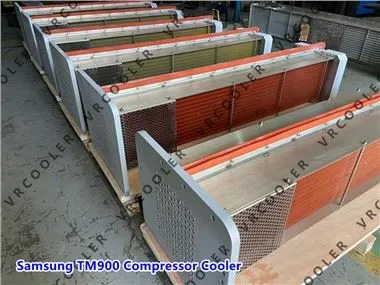
High-temperature coolant generated by engine operation is transported through dedicated insulated pipes to a remotely deployed cooling unit. Inside the cooling unit, the high-temperature coolant flows through a high-efficiency heat exchanger, where it exchanges heat with a forced air-cooling or water-cooling system. As air or cooling water flows through the heat exchanger fins, it rapidly carries away heat from the coolant. The cooled coolant then returns to the engine through return pipes, completing the temperature regulation cycle. This separated design allows the cooling unit to be deployed in well-ventilated, low-temperature areas away from the engine room, fundamentally avoiding the attenuation of heat dissipation efficiency caused by concentrated heat sources.
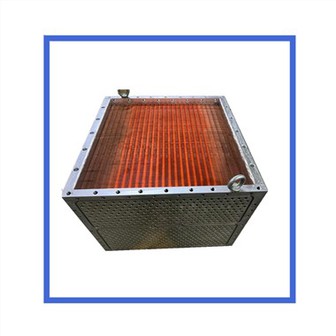
In terms of structural design, the system is deeply adapted to the stringent requirements of industrial scenarios. The heat exchanger adopts a combined structure of seamless alloy steel pipes and spiral fins. Through a mechanical tube expansion process, the fins are tightly attached to the base pipes, increasing the heat dissipation area by more than 8 times compared to traditional bare pipes, ensuring efficient heat exchange within a compact space. The cooling unit is equipped with an intelligent variable-speed fan or a variable-frequency water pump, which can automatically adjust the operating power according to the engine's real-time operating conditions and ambient temperature, ensuring both cooling effectiveness and reduced redundant energy consumption.

The technical design of the Jenbacher J620 remote cooling system accurately responds to the operational pain points of gas engines in different scenarios, forming three core advantages:
Extreme environmental adaptability is its most prominent highlight. Whether it is sustained high temperatures above 45 ℃ in tropical regions, low-pressure environments in high-altitude areas, or industrial plants with high humidity and dust, this system can maintain stable heat dissipation performance. In high-temperature scenarios, by optimizing the design of airflow channels and configuring high-power fans, the heat dissipation efficiency is increased by more than 30% compared to traditional systems; In high dust environments, the use of self-cleaning fins and dust covers reduces the impact of pollutant accumulation on heat dissipation, and extends maintenance cycles to twice that of traditional systems. This feature enables the J620 model to stably land in landfills, sewage treatment plants, remote mining areas, and other scenarios in different climate regions around the world.
Space optimization and energy efficiency improvement achieve dual value. For space intensive scenarios such as data centers and urban commercial complexes, remote cooling systems deploy larger cooling units outdoors or in ancillary spaces, significantly reducing the footprint of engine rooms and creating conditions for multi unit cluster deployment. In a 2.3GW AI data center project, the J620 model was used in conjunction with a remote cooling system to achieve high-density deployment of 30 megawatts per thousand square meters, increasing space utilization by 40% compared to traditional solutions. In terms of energy efficiency, the system reduces its energy consumption by 15% -20% compared to traditional cooling systems through intelligent variable frequency control and low wind resistance design. Combined with the lean combustion technology of the J620 model, the comprehensive energy utilization efficiency of the entire power generation system can reach over 90%.
Long term stability and low maintenance costs form operational advantages. The core components of the system are made of corrosion-resistant alloy materials and have a sealed design, which can resist chemical corrosion and vibration impact in industrial environments. The service life is synchronized with the engine body, reaching a major overhaul cycle of 60000 hours. The design of remote deployment also makes maintenance more convenient. Staff can clean, inspect, and replace cooling units without entering the engine room, reducing maintenance hours by more than 30% per year and significantly reducing equipment lifecycle operating costs.