Energy Efficiency Core And Technical Empowerment Of ORC Power Generation System With Heat Recovery Heat Exchanger
The core logic of the ORC power generation system is to absorb low-grade thermal energy through low boiling point organic working fluids (such as cyclopentane, R245fa, etc.), and achieve energy conversion through a cycle of evaporation, expansion, condensation, and pressurization. The heat recovery heat exchanger plays an irreplaceable role in this cycle by running through multiple key links. Its core function is reflected in three dimensions: as an evaporator, it absorbs heat from industrial waste heat, geothermal energy and other heat sources, rapidly evaporates and vaporizes liquid organic working fluid, and provides high-pressure gaseous working fluid for the expansion machine to do work; As a regenerator, it recovers the waste heat of high-temperature gaseous working fluid after expansion work, preheats the liquid working fluid entering the evaporator, reduces heat source energy consumption, and improves the overall thermal efficiency of the system; As a condenser, it condenses the low-pressure gaseous working fluid after expansion into a liquid state, providing stable inlet conditions for the circulation of the working fluid pump and ensuring closed-loop operation of the system.

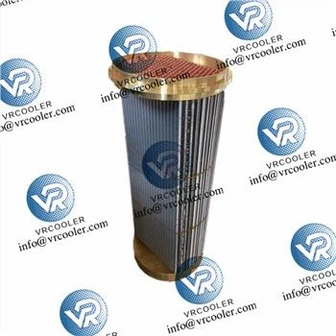
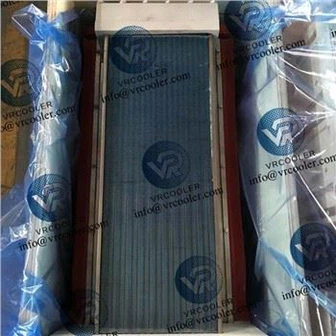
The wide temperature range and efficient heat transfer capability are its core highlights. The ORC system has a wide range of heat source temperatures (100 ℃ -400 ℃), covering various low-grade thermal energy such as industrial waste heat, geothermal energy, LNG cold energy, etc. The heat recovery heat exchanger can maintain efficient heat transfer performance in different temperature ranges by optimizing the flow channel design and material selection. For example, in low-temperature geothermal energy utilization scenarios, plate fin heat exchangers can achieve efficient heat exchange under low temperature differentials; In industrial high-temperature waste heat recovery, plate and shell heat exchangers made of high-temperature resistant alloy materials can stably cope with fluctuating working conditions and ensure the evaporation efficiency of the working fluid. Relying on this advantage, the waste heat energy conversion rate of ORC system can reach 10% -25%, significantly higher than traditional waste heat recovery technology.
The dual guarantee of compact structure and high reliability, suitable for diverse installation scenarios. Industrial sites, ships, remote power stations and other application scenarios require strict requirements for equipment footprint and operational stability. The modular design of heat recovery heat exchangers not only significantly reduces space occupation, but also facilitates transportation and on-site assembly. At the same time, the application of welded structures and corrosion-resistant alloy materials effectively solves the leakage and fatigue failure problems of traditional heat exchangers under high temperature, high pressure, and alternating stress, enabling the continuous operation time of ORC systems to reach tens of thousands of hours, forming a stable adaptation to industrial production processes without affecting the normal operation of the main equipment.
The synergistic effect of energy efficiency optimization and low-carbon emission reduction is in line with the needs of sustainable development. The heat recovery heat exchanger recovers the waste heat of the working fluid through a heat recovery design, significantly improving the comprehensive energy utilization efficiency of the ORC system while reducing the impact of direct industrial waste heat emissions on the environment. In high energy consuming industries such as steel, cement, and glass, ORC systems equipped with efficient heat recovery heat exchangers can convert more than 50% of the waste heat energy in the production process into electricity, reducing energy consumption costs and greenhouse gas emissions for enterprises, providing a feasible path for industrial low-carbon transformation.