Intercooler Vs Aftercooler Difference in Air Compressor
The distinction between an intercooler and an aftercooler in an air compressor is clear: it all comes down to their position within the system and their specific purpose.
Here is the core difference:
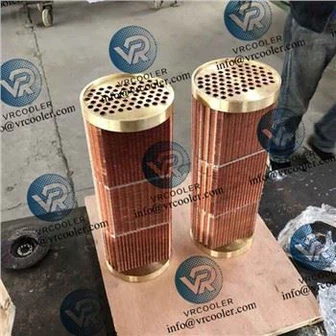
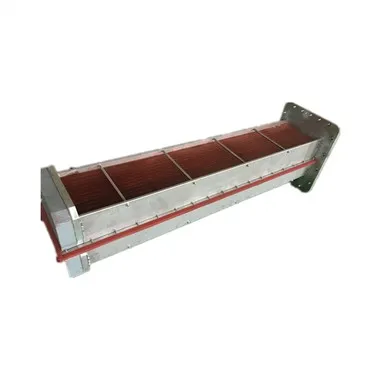
Intercooler: Placed between the stages of a multi-stage compressor (e.g., between the low-pressure and high-pressure stages). Its job is to cool the air before it enters the next stage of compression. This reduces the work required for the second stage, making the whole system more efficient.
Aftercooler: Placed at the very end of the compression system, after the final stage. Its job is to cool the compressed air to a safe temperature for discharge into your air lines or storage tanks. It is a critical final step before the air is used.
The Key Role of Moisture Removal
A major reason for cooling compressed air is to remove moisture, which can damage equipment.
1. Intercooler: Cools the air between stages, causing some water vapor to condense into liquid that can be drained away. This means drier air enters the next stage.
2. Aftercooler: Cools the final, hot discharge air (which can be over 150°C). This reduces its temperature and causes the majority of the remaining water vapor to condense into liquid water. Most systems then separate and drain this moisture, removing up to 75-80% of the total water content from the air supply.
In short, an intercooler is an efficiency device, and an aftercooler is a finishing and conditioning device for the air you will use.