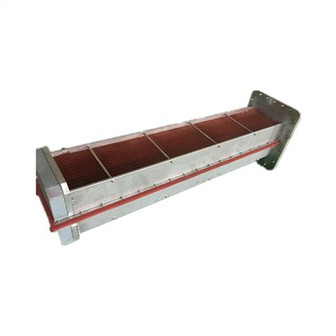
Generator Set Cooling System Types Radiator Vs Heat Exchanger
In generator set cooling systems, radiators and heat exchangers are the two primary methods for removing engine heat. The key difference is that a radiator rejects heat directly into the ambient air, while a heat exchanger transfers heat from the engine's coolant to a secondary water source.
Here's a detailed breakdown of how they compare:
Radiator Cooling System
The radiator system is the most common type for generator sets, particularly those up to about 1,500 kVA. It's a self-contained, closed-loop system.
How it works: Engine coolant (a mixture of water and antifreeze) circulates through the engine block to absorb heat. It then flows to the radiator, where a fan blows air across the radiator's cooling fins to dissipate the heat into the surrounding atmosphere.
Pros:
Simple and self-contained: The radiator and fan are often mounted directly on the generator's base frame, making installation straightforward and cost-effective.
No external water source needed: This makes it ideal for land-based installations where a continuous water supply isn't available.
Cons:
Requires good ventilation: The generator room needs a steady supply of fresh, cool air for the system to work effectively. Poor airflow can cause overheating.
Performance affected by ambient temperature: In very hot climates, the radiator must be oversized ("tropicalized") to handle the higher air temperature.
Noise: The engine-driven fan can be a significant source of noise.
Heat Exchanger Cooling System
The heat exchanger system is a two-circuit system, commonly used in marine applications, enclosed spaces, or where ambient ventilation is limited.
How it works: A primary closed loop circulates coolant through the engine. This hot coolant then passes through a heat exchanger (often a shell-and-tube type), where it transfers its heat to a separate secondary circuit of "raw water" (from a river, cooling tower, or municipal supply). The raw water carries the heat away.
Pros:
Quiet operation: Because it eliminates the large radiator fan, the generator room is much quieter.
No ventilation required: It doesn't rely on ambient air for cooling, making it perfect for basements, engine rooms, and enclosed spaces.
Better for hot climates: Performance is less dependent on the outside air temperature, making it a superior choice for very hot environments.
Cons:
Requires external water infrastructure: A reliable supply of secondary water and a drainage system are essential.
More complex: Managing water chemistry to prevent fouling and corrosion adds to maintenance complexity.
Open-Loop Cooling: A Special Case
Sometimes, you might hear the term "open-loop cooling". This is a third, less common system where water is drawn directly from an external source (like a lake or river), circulated through the engine, and then discharged. It does not use a radiator or a heat exchanger in the same way. While simple, it's rarely used today due to environmental regulations and the difficulty of controlling the engine's temperature precisely.
Summary Comparison
| Feature | Radiator System | Heat Exchanger System |
|---|---|---|
| Primary Cooling Medium | Ambient Air | Secondary Water (from cooling tower, river, etc.) |
| System Type | Self-contained, closed-loop | Dual-circuit (primary coolant + secondary water) |
| Best Application | Open, well-ventilated areas | Marine, basements, enclosed rooms |
| Installation | Simple, low initial cost | More complex; requires external water supply |
| Key Maintenance | Keeping radiator fins clean and fan belts in good condition | Managing water chemistry and preventing fouling |
Choosing between the two depends on your specific installation environment. A radiator is the go-to for simplicity and cost, while a heat exchanger is the solution when you need to reject heat quietly and efficiently in a space with limited ventilation.
If you can describe your installation environment (e.g., indoors/outdoors, space constraints, climate), I can offer more specific selection guidance.