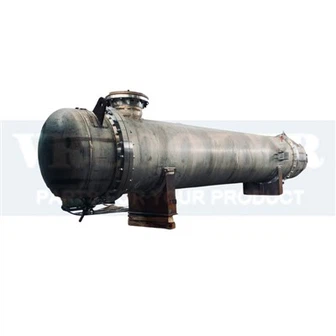
How To Optimize The Design Of The Air Compressor Intercooler To Improve Its Efficiency
How to Optimize the Design of the Air Compressor Intercooler to Improve Its Efficiency
To optimize the design of an air compressor intercooler and enhance its efficiency, the following approaches can be adopted:
Enhanced Heat Transfer Surfaces:
Incorporate enhanced fin geometries on the heat transfer surfaces. For instance, using interrupted or wavy fins can increase the turbulence and improve heat transfer.
Employ microchannels or nanotubes to significantly increase the surface area available for heat exchange.
Improved Flow Distribution:
Design the inlet and outlet ports to ensure uniform distribution of the compressed air and coolant. Uneven flow can lead to hotspots and reduced efficiency.
Use flow guides or baffles inside the intercooler to direct the flow and promote better mixing.
Selection of Optimal Coolant:
Consider using specialized coolants with higher heat transfer coefficients. Some synthetic coolants or nanofluids may offer superior performance.
Optimize the coolant flow rate to strike a balance between heat removal and pressure drop.
Thermal Insulation:
Apply appropriate insulation to the intercooler to minimize heat loss to the surroundings. This helps to retain the cooling effect within the intercooler.

Minimization of Fouling and Corrosion:
Choose materials and coatings that are resistant to fouling and corrosion. Fouling can reduce the heat transfer efficiency over time.
Incorporate regular cleaning intervals or install filtration systems to prevent debris from entering the intercooler.
Simulation and Modeling:
Utilize advanced computational fluid dynamics (CFD) and thermal simulation tools to analyze and optimize the design before physical prototyping.
These simulations can help identify areas of poor flow, heat transfer, and pressure drop and guide design modifications.
Integration with the Compressor System:
Optimize the placement and connection of the intercooler within the overall compressor system to minimize pressure losses and ensure seamless integration.
For example, in a particular air compressor setup, by implementing CFD simulations, it was discovered that modifying the shape of the inlet port and adding internal baffles improved the flow distribution, resulting in a 15% increase in heat transfer efficiency.
Another case saw the use of a nanofluid coolant, which, despite its higher initial cost, led to a 20% improvement in the intercooler's performance and reduced overall energy consumption of the compressor system.
By carefully considering and implementing these optimization strategies, the efficiency of the air compressor intercooler can be significantly improved, leading to more efficient and reliable operation of the entire air compression system.