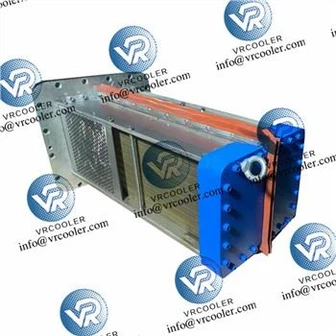
How To Test The Performance Of The Air Compressor Intercooler
How to Test the Performance of the Air Compressor Intercooler
Testing the performance of an air compressor intercooler is essential to ensure its effectiveness and efficiency. The following methods can be employed:
Temperature Measurement:
Use temperature sensors placed at the inlet and outlet of the intercooler for both the compressed air and the coolant.
The temperature drop of the compressed air indicates the cooling effectiveness.
For example, if the inlet temperature of the compressed air is 150°C and the outlet is 80°C, it suggests a significant cooling effect.
Pressure Measurement:
Install pressure gauges before and after the intercooler to monitor the pressure changes.
A minimal pressure drop across the intercooler is desirable.
Say, if the pressure before is 10 bar and after is 9.5 bar, the pressure drop of 0.5 bar might be within an acceptable range depending on the design specifications.
Flow Rate Measurement:
Determine the flow rates of the compressed air and the coolant using flow meters.
The correct flow rates are crucial for optimal heat transfer.
If the expected air flow rate is 100 cubic meters per minute and the measured rate is 90 cubic meters per minute, it could indicate a potential issue.
Heat Transfer Rate Calculation:
Based on the temperature, pressure, and flow rate data, calculate the heat transfer rate.
This can be compared to the theoretical or expected heat transfer rate to evaluate the performance.

Visual Inspection:
Inspect the intercooler for any signs of leaks, corrosion, or fouling.
Even small leaks can affect the performance.
Thermal Imaging:
Use thermal imaging cameras to identify hotspots or uneven temperature distributions on the intercooler surface.
This can indicate areas of poor heat transfer or potential blockages.
Energy Consumption Analysis:
Monitor the energy consumption of the compressor before and after the intercooler installation or modification.
A reduction in energy consumption indicates improved efficiency.
For instance, in one test scenario, a significant temperature drop was observed along with a negligible pressure drop, indicating a well-performing intercooler. However, in another case, visual inspection revealed severe fouling, which was then cleaned to restore the intercooler's performance.
By conducting these tests and analyzing the results, it is possible to accurately assess the performance of the air compressor intercooler and take necessary corrective actions if needed.