How To Optimise The Performance Of A Dry Cooler To Improve The Overall Efficiency Of A Gas Genset?
Optimising the performance of the dry cooler can significantly improve the overall efficiency of a gas genset.
The following are some strategies to optimise the performance of the dry cooler:
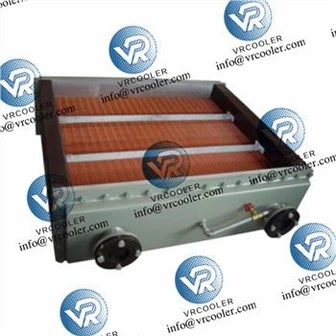
Increase heat transfer surface area: Increasing the heat transfer surface area can improve the cooling capacity of the dry cooler. By increasing the fin density or using a multi-layer heat transfer structure, the contact area between the air and the coolant can be effectively increased, thus improving the heat transfer efficiency.
Optimised fan design: Fans are an important part of the energy consumption in a dry cooler. The use of efficient fan and frequency conversion technology can reduce the energy consumption of the fan while meeting the cooling demand. Automatic control of the fan speed, adjusted to the actual cooling demand and environmental conditions, ensures that unnecessary energy consumption is reduced at low loads.
Improved air flow paths: Optimising the air flow design of the dry cooler to reduce airflow resistance can improve overall cooling performance. For example, adjusting the shape of fins or repositioning fans and heat exchangers ensures that air flows evenly over the entire heat transfer surface, thereby improving cooling efficiency.
Optimisation of the control system: Modern dry coolers are usually equipped with an automated control system, which monitors parameters such as temperature, flow rate and air speed in real time through sensors, and dynamically adjusts the dry cooler's operating status according to these data. This not only improves the performance of the dry cooler, but also maintains the optimal operating condition under different working conditions, thus improving the efficiency of the whole gas generator set.
Secondly, intelligent control system will become the standard configuration of dry cooler in the future. Through IoT technology, the dry cooler can share data and work together with other parts of the gas genset, automatically adjusting key parameters such as fan speed and coolant flow rate, so as to maintain the best cooling effect under different environmental conditions. This intelligent management not only improves the overall efficiency of the gas genset, but also effectively reduces energy consumption and operating costs.
Finally, dry coolers will focus more on sustainability and environmental friendliness. With the increasing pressure on water resources globally, dry coolers, as a water-free cooling technology, will replace traditional wet cooling systems in more application scenarios. Future dry coolers may be combined with other renewable energy technologies, such as the use of solar or wind energy to power the dry cooler's fan, thus further reducing fossil energy consumption.