What Is The Main Function Of A Marine Engine Cooler?
What is the Main Function of a Marine Engine Cooler?
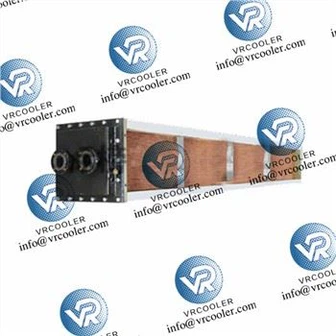
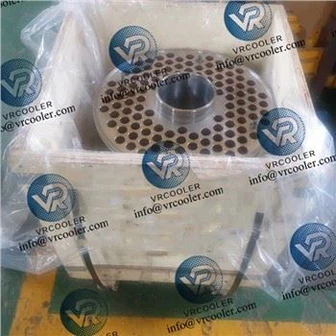
The main function of a marine engine cooler is to maintain the engine at a suitable temperature range through heat dissipation, thus preventing the engine from overheating or running inefficiently. The engine will generate a lot of heat when working, if not effectively dissipate the heat, the high temperature will lead to lubricating oil performance degradation, thermal expansion of metal parts and even cause mechanical failure. A cooler transfers heat from the engine to the cooling medium by circulating coolant (e.g. seawater or fresh water) through the engine and heat exchanger, which in turn discharges excess heat into the surrounding environment.
There are two main types of marine coolers: open cooling systems and closed cooling systems. Open cooling systems usually use seawater directly to cool the engine, which has a higher heat exchange efficiency, but seawater is more corrosive and requires special anti-corrosion treatment. Closed cooling systems, on the other hand, use freshwater as the coolant and transfer the heat from the freshwater to the seawater through a heat exchanger, which provides better control of the engine temperature and reduces corrosion problems.
Overall, the role of the marine engine cooler is not only to ensure the normal operation of the engine, but also to improve the fuel efficiency of the engine and extend its service life.