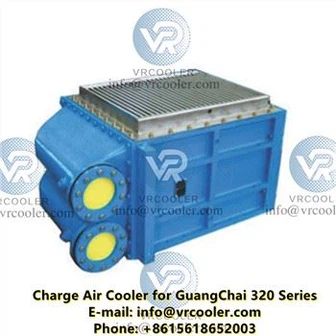
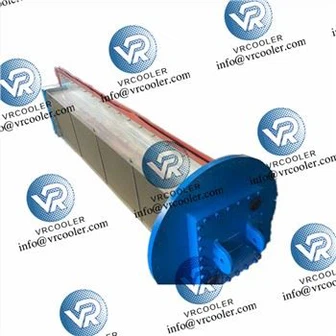
How Generator Coolers Work
Generator coolers are generally water-cooled or air-cooled, and are described below.
Water-cooled generator coolers.
The water-cooled generator cooler is mainly composed of a water tank, radiator, water pump and water pipe. When working, the water pump extracts the cooling water from the water tank, cools the radiator and then flows into the generator through the water pipe for cooling, the cooled hot water then flows back to the radiator through the water pipe, dissipates the heat and then returns to the water tank for circulation.
Air-cooled generator cooler.
The air-cooled generator cooler is mainly composed of radiator, fan and air duct. During operation, the fan distributes the heat generated inside the generator by driving the air through the radiator. At the same time, the air ducts direct and control the direction and speed of air flow to ensure that the air flows through every part of the generator, improving cooling efficiency.
Overall, the generator cooler works by conducting the heat generated through the coolant or air into the radiator, which then dissipates the heat through the radiator's heat sink area and cooling efficiency. In a water-cooled generator cooler, the cooling water is circulated to transfer and dissipate the heat; in an air-cooled generator cooler, the air is directed to the surface of the generator through fans and air ducts to dissipate the heat.