Generator Hydrogen Coolers
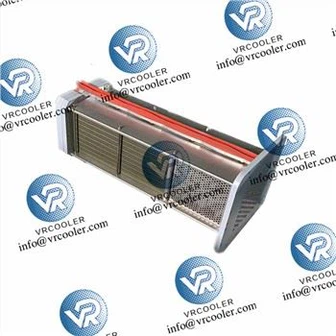
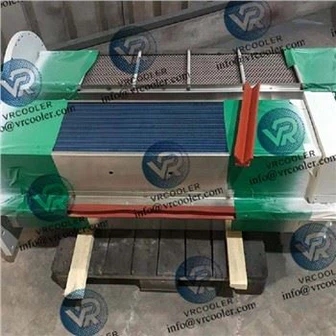
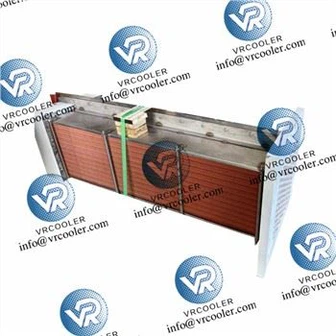
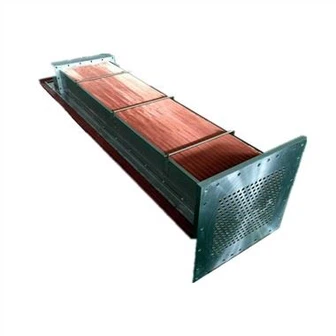
Generator hydrogen coolers
A generator hydrogen cooler is a cooler that uses hydrogen as a cooling medium for the generator to dissipate the heat generated inside the generator. Compared to traditional water and air cooling methods, hydrogen cooling offers higher cooling efficiency and better safety features.
The generator hydrogen cooler works by cooling the generator by flowing high pressure hydrogen gas through the generator and removing the heat through the hydrogen cooling tube. Specifically, hydrogen is drawn from a hydrogen pressure vessel, depressurised by a hydrogen pressure regulator and then enters the hydrogen cooling tube, which forms a thin film of cooling hydrogen on the surfaces of the stator and rotor components inside the generator, removing the heat generated by the components through heat transfer, and the cooled hydrogen is then recovered and reused through a hydrogen recovery system.
The advantage of hydrogen cooling is that hydrogen has a higher heat transfer and heat capacity than air or water and can dissipate heat more quickly and efficiently, thus increasing the power density and efficiency of the generator. At the same time, hydrogen, as a renewable and clean energy source, can be used in conjunction with the electrical system of the generator to achieve a more environmentally friendly and sustainable way of generating electricity.
However, the use of hydrogen cooling technology requires higher safety standards and controls due to the safety risks associated with hydrogen such as flammability, explosiveness and low temperature brittleness. Therefore, the use of hydrogen cooling technology requires precise monitoring and control of hydrogen pressure, flow and temperature to ensure the safety and reliability of the generator.

In addition to hydrogen coolers used in generators, hydrogen is also widely used for cooling other high-powered electronic equipment such as radar, lasers and high-powered microwave devices. In these applications, hydrogen coolers enable higher power densities and better thermal management, thus improving the performance and reliability of the equipment.
Hydrogen cooling technology offers the following features.
Efficient heat dissipation: Hydrogen has a higher heat transfer and heat capacity, allowing for faster and more efficient heat dissipation, resulting in higher power density and efficiency of the equipment.
Clean and environmentally friendly: Hydrogen is a renewable and clean energy source that does not produce pollutants or greenhouse gases and works in conjunction with the electrical system of the equipment for a more environmentally friendly and sustainable way of working.
Low noise: Compared to traditional mechanical cooling methods, hydrogen coolers work without noise, ensuring a quiet working environment for the equipment.
Safety and reliability: Hydrogen coolers require a range of safety measures, such as hydrogen leak detection, automatic shutdown and hydrogen drainage, to ensure the safety and reliability of the equipment.
It is important to note that the use of hydrogen cooling technology requires rigorous design, manufacture and installation to ensure the safety and reliability of the hydrogen system. The use of hydrogen cooling technology requires precise monitoring and control of hydrogen pressure, flow and temperature, as well as regular safety checks and maintenance.