How Does Hydrogen Cooling Work In Generators?
How Does Hydrogen Cooling Work In Generators?
Hydrogen cooling in generators works in the following way:
Hydrogen gas is circulated within the generator. Hydrogen has very good thermal conductivity properties.
As the generator operates and generates heat, the hydrogen comes into contact with the hot components, such as the stator and rotor. The heat is transferred from these components to the hydrogen.
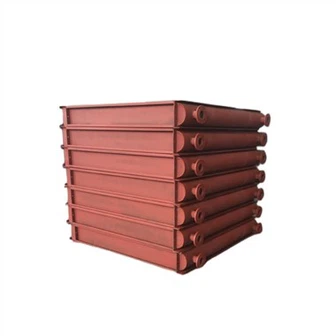
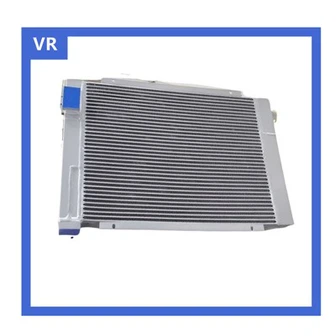
The heated hydrogen is then moved to a cooling system, where the heat is dissipated. This can involve passing the hydrogen through a heat exchanger or other cooling mechanism.
After being cooled, the hydrogen is recirculated back into the generator to continue the cooling process.
An advantage of hydrogen cooling is its high heat transfer efficiency, which allows for more effective cooling of large and high-power generators.
For instance, in a large power plant generator, the hydrogen cooling system helps to maintain the generator at an appropriate temperature, ensuring its reliable operation and optimal performance. Precautions are taken to ensure the safe handling and use of hydrogen, as it is a flammable gas. Regular monitoring and maintenance of the hydrogen cooling system are essential to ensure its proper functioning and to address any potential issues that may arise.