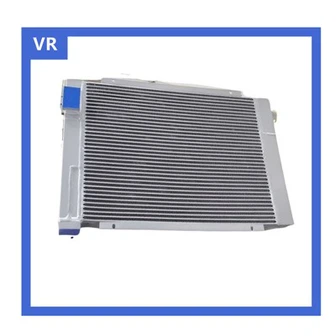
What Type Of Cooling Is Used In Generators?
What Type Of Cooling Is Used In Generators?
There are several types of cooling used in generators:
Air cooling: This is a common method where air is circulated around the generator components to remove heat. Fans or blowers are often used to facilitate the airflow.
Liquid cooling: A coolant, such as water or a special coolant mixture, is circulated through passages or jackets around the generator to absorb heat. This can provide more efficient cooling compared to air cooling.
Hydrogen cooling: In some large generators, hydrogen gas is used as a coolant. It has excellent heat transfer properties.
Combination cooling: Some generators may use a combination of air, liquid, and other cooling methods to achieve optimal cooling performance.
For example, a small portable generator might use air cooling, while a large industrial generator may employ liquid cooling or a combination of both for better heat management. Each type of cooling has its advantages and is selected based on the specific requirements and characteristics of the generator.